On September 23, 2026, YouTube used Made On YouTube 2026 to frame a wider shift in creator production: YouTube AI Tools are no longer sitting at the edge of the workflow. They are moving into editing, draft review, analytics, Shorts packaging, live-stream formats, and identity protection. As of September 28, 2026, some features were already live or rolling out, while others were scheduled for late 2026 or early 2027. For gaming and esports creators, the update matters less as a novelty and more as a pressure point: faster production can help, but it also raises new questions about originality, labor, audience trust, and how much platform guidance should shape a channel’s voice.
YouTube AI Tools And The Creator Workflow
YouTube AI Tools In Shorts Production
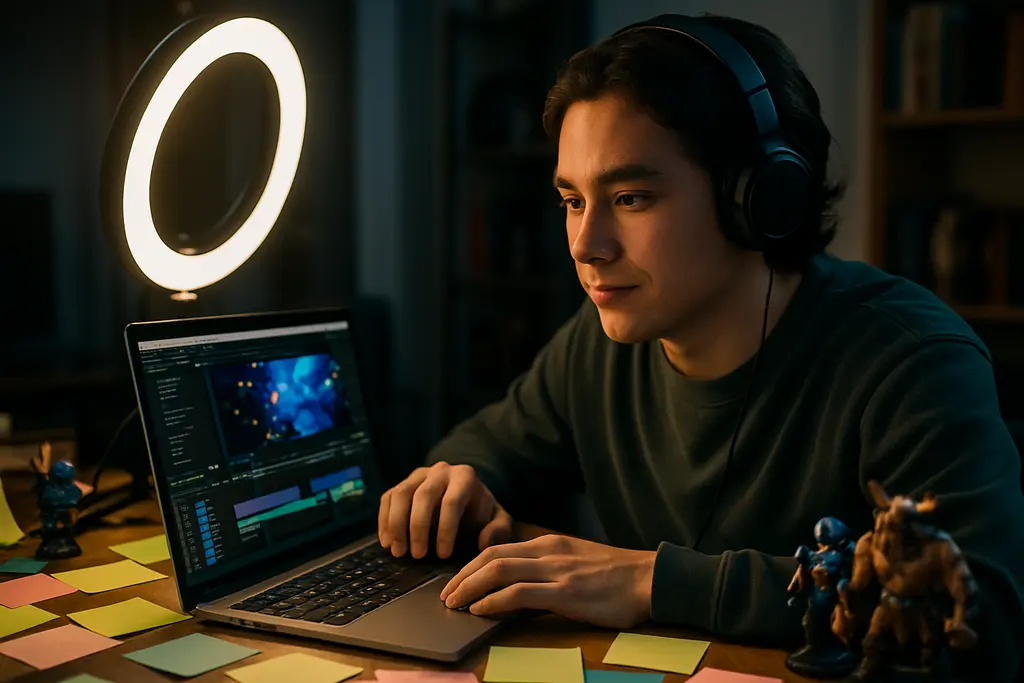
The clearest production change came through YouTube’s conversational editing assistant for Shorts and the YouTube Create app. YouTube said the tool integrates Gemini Omni, allowing creators to prompt a first draft and then iterate with requests such as trimming pauses, reordering frames, or syncing music to a beat, according to the official Made On YouTube 2026 announcement. That is a practical change for creators who already cut match reactions, patch-note clips, stream highlights, challenge attempts, and short-form commentary under heavy time pressure.
The immediate appeal of YouTube AI Tools is speed, but the risk is sameness. If many channels ask for similar pacing, similar hooks, and similar music treatment, gaming feeds can become flatter, not sharper. A creator covering a major tournament upset, for example, still needs editorial judgment: what context to include, how to avoid overclaiming, and how to preserve the moment that made the clip worth sharing. AI can shorten the first pass. It cannot decide what a community actually cares about after a controversial map, a roster rumor, or a balance patch.
Studio Feedback Moves Closer To An Editor’s Note
Ask Studio and the new Studio destinations add another layer. YouTube described tools that analyze performance, identify outlier videos, and offer personalized feedback on unpublished drafts, including structure, pacing, and storytelling. Thumbnail generation matched to a channel’s style was also part of the update. For solo creators, that starts to resemble the role of an editor or producer, especially on channels where one person records, edits, titles, thumbnails, and publishes.
Gaming creators should treat that feedback as a signal, not a command. A channel built around esports analysis may intentionally open slower to explain format, patch context, or bracket stakes. A draft system trained to prize early retention could push that creator toward faster cuts even when the subject needs setup. The better use case is comparison: what does Studio think is weak, and does the creator agree after watching with fresh eyes?
Testing, Discovery, And Viewer Packaging
Retention Experiments Get More Specific
YouTube said Studio’s A/B testing, launched in 2024, has already been used in more than 40 million experiments for titles and thumbnails. The September 23 update expanded that idea toward testing up to three video cuts, such as different hooks, for audience retention. For esports creators, this is a major production note. The first 20 seconds of a VOD review, player profile, or match recap can decide whether viewers stay long enough to reach the analysis.
That said, retention testing can push creators toward exaggerated openings. The healthiest use is controlled: test a cold open against a context-first opening, or compare a player-focused intro against a team-focused intro. If the winning cut removes too much context, the creator may gain short-term retention while weakening audience trust. That trade-off is especially visible in competitive gaming, where viewers often punish sloppy framing in comments.
Custom Feeds Put Prompts Into Discovery
YouTube also announced that viewers in the United States would be able to create custom homepage feeds with conversational prompts in fall 2026. Saved feeds would update automatically with fresh recommendations. That could help viewers separate different viewing moods: long documentaries, casual gaming clips, esports analysis, or live reactions. It also means creators may need clearer packaging so the recommendation system can understand where a video belongs.
This connects with a broader short-form discovery race across entertainment platforms. MostPlays previously covered how Netflix short-form video and gaming creators may pressure channels to make sharper clips and clearer platform choices. YouTube’s version is different because it sits inside an existing creator economy, but the direction is similar: better clips, cleaner labels, and less room for vague uploads.
Shorts Series And Creator Monetization Pressure
Microdrama Habits Matter For Gaming Creators
Shorts Series may be the most interesting structural feature for channels that already publish recurring segments. YouTube said creators would be able to organize Shorts into seasons and episodes, with custom thumbnails and sequential playback. That sounds entertainment-first, but gaming creators can use the same structure for ranked climb stories, tournament explainers, patch experiments, creator challenges, or multi-part esports timelines.
The timing fits a wider viewing trend. Microdramas drew 6.5 billion cumulative YouTube views in the first half of 2026, with watch time up more than 50% year over year and TV views rising more than 90%, according to a report on microdrama view growth. Gaming creators should not copy microdrama formats blindly, but the behavior is relevant. Viewers are increasingly comfortable following short episodic arcs, including on TV screens. A good esports story already has stakes, setbacks, rivalries, and payoff. Shorts Series gives creators a cleaner way to package that rhythm.
Shopping Features Need Community Trust
The research notes for the September 23 announcements also point to a larger Shopping affiliate push, broader country availability by the end of 2026, product tagging changes, and shopping-related Ask YouTube features. For gaming creators, monetization tied to products is not new. Hardware, chairs, controllers, peripherals, and digital goods have long been part of creator revenue. The community question is disclosure and fit.
If a creator reviews a mouse after a sponsored tag, viewers need clear language about the relationship. If a streamer tags products during a live reaction or guide, the commercial layer should not blur the analysis. Creator monetization works best when the audience can tell where opinion ends and affiliate incentive begins. That matters even more on channels watched by younger fans.
Live Streams, Likeness Protection, And Community Risk
Co-Streams And Dubbing Change Stream Formats
YouTube’s live-stream changes include live showdowns, real-time auto-dubbing pilots in English and Spanish planned for early 2027, and an expansion of Watch With to eligible long-form videos. Live showdowns let creators co-host in a head-to-head format where chats and Super Chats can influence scores. For gaming channels, that format could suit challenge runs, creator-versus-creator segments, trivia, or community games.
The esports-adjacent use case is more delicate. Competitive communities tend to notice artificial stakes quickly. If a showdown is framed like a serious contest but built around chat-driven scoring, the format should be labeled for what it is: entertainment, not tournament play. Auto-dubbing could widen access for international audiences, especially around commentary and co-streams, but live translation errors can affect tone. Creators covering sensitive roster moves, disciplinary rulings, or player statements may still need human review for clips after the stream.
Identity Tools Become A Safety Baseline
YouTube also expanded likeness detection, including facial detection, and said speaking voice detection would be integrated to improve accuracy. The research notes say creators can enroll by mobile, receive alerts, and take action, with rollout continuing through late 2026. Opt-in AI-powered comment moderation that learns a creator’s personal style was also part of the update.
This is not a side issue for gaming creators. Streamers, casters, pro players, and VTuber-adjacent personalities all rely on recognizable voice, face, style, or persona. Deepfake clips can spread quickly during tournament weeks, especially if they appear to show a player making a statement after a loss or an org controversy. Detection tools will not remove every risk, but they give creators a platform-native path to respond faster.
What YouTube AI Tools Mean For Gaming Creators
Used carefully, YouTube AI Tools can reduce dead time in production and make small teams act with more discipline. A creator can test hooks, clean up Shorts, organize episodic content, review draft pacing, and monitor likeness abuse without building a full studio staff. That matters for analysts, streamers, editors, and ex-pros trying to keep pace with daily news cycles.
The stronger channels will not be the ones that automate the most. They will be the ones that use automation to protect time for reporting, analysis, and community reading. A tournament recap still needs accurate bracket context. A roster video still needs caution around unconfirmed claims. A creator trend breakdown still needs to separate platform incentives from audience needs. For readers interested in the evolving landscape of gaming content, GameCloud Network is part of the same broader conversation about how gaming content reaches players.
The September 23 update makes one thing clear: YouTube is building tools that sit closer to the creator’s decision-making layer. That can help gaming channels publish faster, but it also makes editorial discipline more valuable. The platform can suggest a cut. The creator still owns the trust.