
Few games have transformed the esports landscape like Dota 2. What began as a humble Warcraft III mod has evolved into a global phenomenon featuring multi-million dollar tournaments watched by millions. This remarkable journey represents not just the growth of a single game, but mirrors the evolution of esports as a whole. Join us as we explore how Dota 2 tournaments grew from community-run events to The International’s record-breaking prize pools and global spectacle.
Origins of Dota 2 Esports
The roots of Dota 2 trace back to 2003 with “Defense of the Ancients” (DotA), a community-created mod for Blizzard Entertainment’s Warcraft III. Created initially by the designer “Eul,” the mod underwent various iterations before DotA: Allstars, developed by Steve “Guinsoo” Feak, gained tremendous popularity in the mid-2000s.
Early Mod Tournaments and Small Events
The first competitive DotA events were grassroots affairs, often organized by internet cafés and local gaming communities. These tournaments featured modest prize pools, typically ranging from a few hundred to a few thousand dollars. Events like MYM Pride, organized by Meet Your Makers, and the SMM Grand National DotA Tournament in Southeast Asia became important fixtures in the early scene.
By 2008, tournaments like the Electronic Sports World Cup and World DotA Championship began featuring DotA, signaling growing recognition. Despite technical limitations and lack of official support, these events attracted passionate players and spectators, laying the groundwork for what would become a global esports phenomenon.
How the Community Fueled the Scene
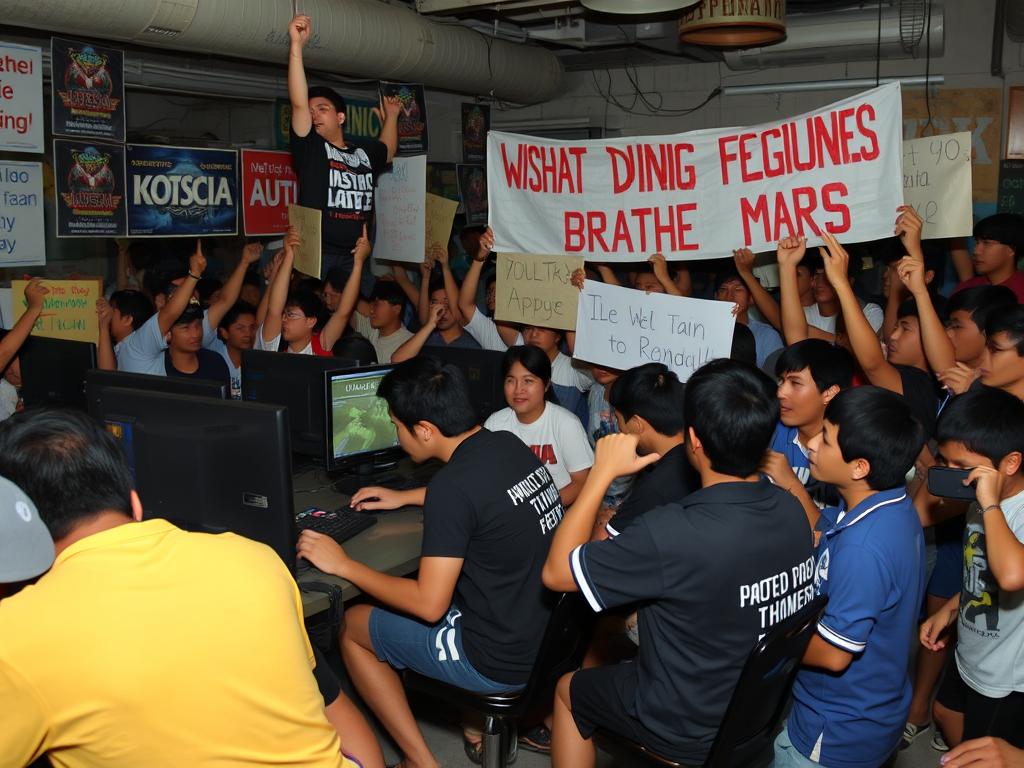
The early DotA competitive scene thrived entirely on community passion. Websites like GosuGamers and PlayDota became hubs for tournament information, strategy discussions, and replay sharing. Community figures emerged as casters, organizers, and content creators, often volunteering their time simply out of love for the game.
What made DotA unique was how the community shaped its competitive evolution. Without a corporate entity dictating the rules, tournament organizers experimented with formats, and players developed the meta through innovation rather than developer guidance. This community-driven approach would later influence how Valve approached Dota 2’s competitive ecosystem.
Valve’s Entry and First Internationals
Valve Corporation’s interest in the Dota intellectual property began when several of their veteran employees became fans of the mod. Recognizing its potential, Valve hired IceFrog in 2009 to design a standalone sequel. This decision would transform both the game and esports forever.
Foundation of The International
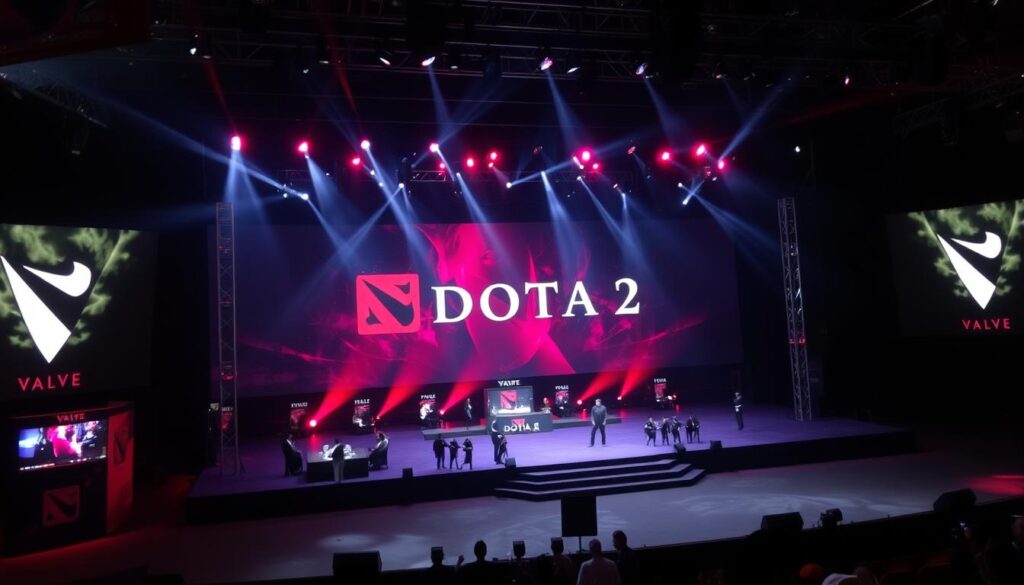
In August 2011, Valve stunned the gaming world by unveiling Dota 2 at Gamescom in Cologne, Germany, alongside the announcement of the first International tournament. With an unprecedented $1.6 million prize pool—$1 million for the champions alone—Valve immediately positioned Dota 2 as a serious esports title.
The tournament featured 16 invited teams from around the world, with Ukrainian organization Natus Vincere (Na’Vi) defeating Chinese team EHOME in the finals. Beyond crowning champions, The International served as Dota 2’s grand introduction to the world, showcasing the game while still in closed beta.
TI’s Impact on Esports Globally
The first International’s $1.6 million prize pool was revolutionary in 2011—a time when most esports tournaments offered prizes in the tens of thousands. This bold statement legitimized esports careers and attracted mainstream attention to competitive gaming.
The International’s success established a new benchmark for production quality, competitive integrity, and player treatment. Other game developers and tournament organizers took notice, leading to increased investment across the entire esports industry. The event’s format—bringing together the world’s best teams for an annual championship—became a template that many esports would follow.
Expanding the Tournament Landscape
While The International remained Dota 2’s crown jewel, the competitive ecosystem expanded significantly in the years following the game’s official release in 2013. A diverse tournament landscape emerged, creating year-round competitive opportunities.
Rise of Dota Majors and Minors
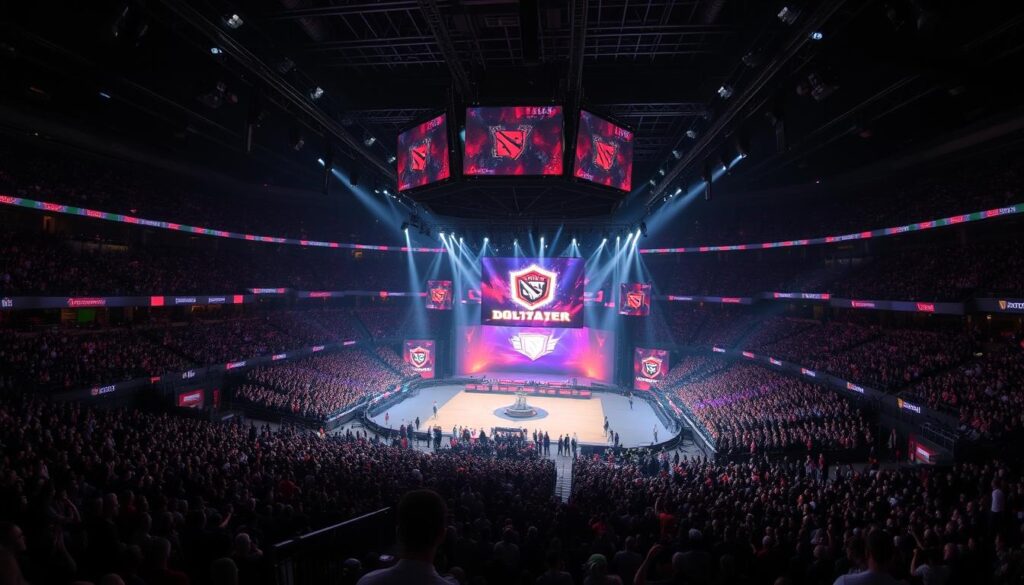
In 2015, Valve introduced the Major Championship system, adding three additional premier tournaments throughout the year. These Majors featured substantial prize pools (typically $3 million each) and production quality approaching that of The International, creating a more structured competitive calendar.
This evolved further in 2017 with the Dota Pro Circuit (DPC), a season-long series of Valve-sponsored Majors and Minors that awarded qualification points for The International. The system provided stability for organizations and players while ensuring year-round high-level competition for fans.
Third-party Leagues and Events
Alongside Valve-sponsored tournaments, third-party organizers created their own events that became beloved fixtures in the scene. Tournaments like ESL One, DreamLeague, and The Summit offered unique formats and production styles that complemented the official circuit.
The growing Dota 2 tournament scene also attracted interest from fantasy esports platforms, which began offering prediction contests on match outcomes. These platforms became part of the ecosystem, providing another way for fans to engage with competitive matches while testing their game knowledge.
Regional Circuits and New Tournament Organizers
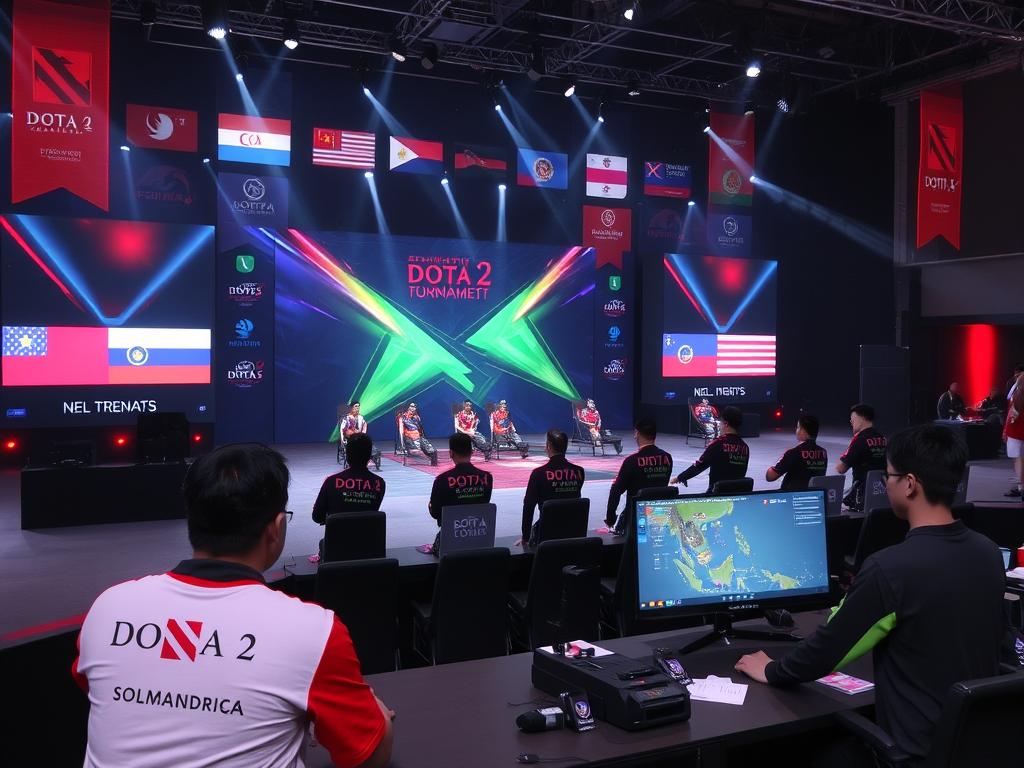
As the scene matured, regional tournaments gained importance, especially in hotspots like China, Southeast Asia, and Eastern Europe. These events provided crucial opportunities for emerging talent to gain experience before competing internationally.
By 2024, following Valve’s decision to abolish the DPC system, tournament organizers like PGL, ESL, and BLAST developed their own series of high-profile events. This created a more open circuit approach with an increase in the number of high-stakes tournaments, with events offering $1,000,000+ prize pools more than doubling from previous years.
Growth in Prize Pools and Sponsorship
Perhaps no aspect of Dota 2’s tournament evolution is more remarkable than the unprecedented growth in prize money, which transformed player careers and set records across all of esports.
The Crowdfunding Revolution (Battle Pass)
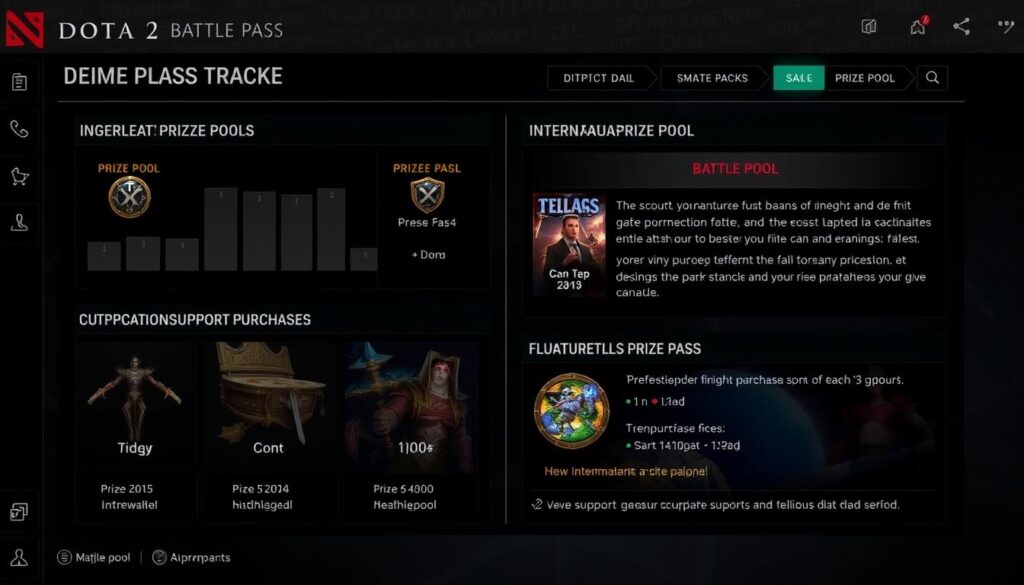
In 2013, Valve introduced the Compendium (later evolved into the Battle Pass)—an interactive digital book that allowed players to contribute directly to The International’s prize pool. For every Battle Pass purchase, 25% of the revenue was added to the tournament prize money.
This crowdfunding model proved revolutionary, with The International’s prize pool growing exponentially year after year. By TI10 in 2021, the prize pool reached an astonishing $40.02 million—the largest in esports history. This approach has since influenced monetization and prize funding across numerous other competitive games.
Record-breaking TI Pools
| Tournament | Year | Prize Pool | Winner |
| The International 1 | 2011 | $1.6 million | Natus Vincere |
| The International 3 | 2013 | $2.87 million | Alliance |
| The International 5 | 2015 | $18.43 million | Evil Geniuses |
| The International 7 | 2017 | $24.79 million | Team Liquid |
| The International 9 | 2019 | $34.33 million | OG |
| The International 10 | 2021 | $40.02 million | Team Spirit |
Sponsorship and Commercial Impact
As prize pools grew, so did commercial interest in Dota 2 tournaments. Major brands outside the endemic gaming space began sponsoring events and teams, bringing new revenue streams into the ecosystem. Companies like Mercedes-Benz, DHL, and Red Bull became fixtures at major Dota 2 events.
The commercial growth extended to fan engagement platforms as well. Fantasy esports platforms developed extensive features for Dota 2 matches, offering predictions on everything from match winners to in-game milestones. This fan engagement ecosystem created another layer of interaction for viewers while generating additional revenue that indirectly supported the competitive scene.
Stories from the Stage
Beyond prize pools and structures, what makes Dota 2 tournaments special are the unforgettable moments and narratives that have emerged over the years, creating a rich competitive heritage.
Legendary Matches and Cinderella Runs
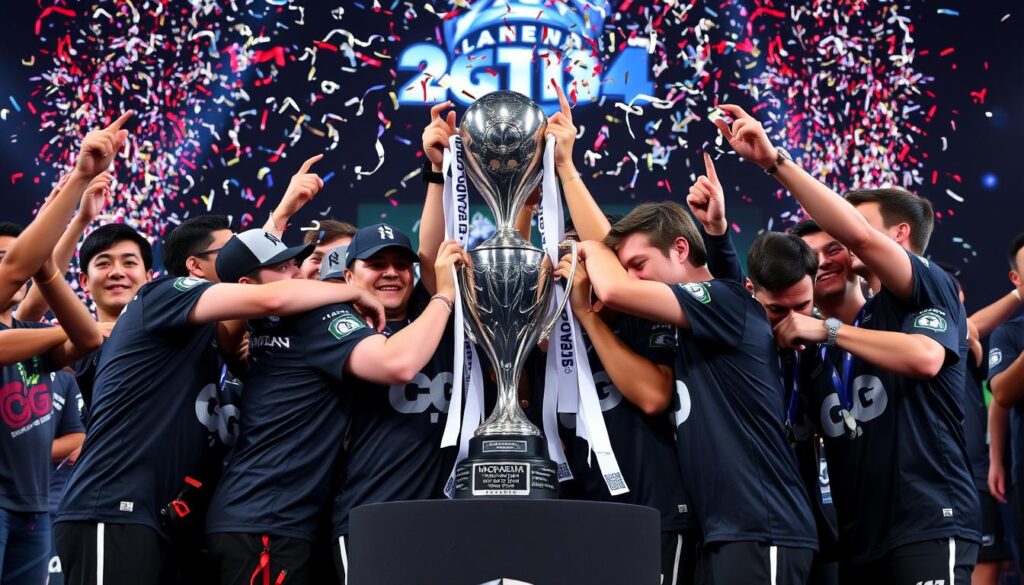
Dota 2’s tournament history is filled with legendary moments: Na’Vi’s “The Play” at TI2, Alliance’s million-dollar “Dream Coil” at TI3, and Evil Geniuses’ “six-million-dollar Echo Slam” at TI5. These plays have become part of esports folklore, referenced and celebrated years after they occurred.
Perhaps the most remarkable story was OG’s run at TI8 in 2018. After losing key players just months before the tournament, they rebuilt with unproven talent and made an improbable run through the lower bracket to claim the championship. They followed this by winning again in 2019, becoming the first back-to-back TI champions and cementing their legacy.
Fan Culture, Memes, and Traditions
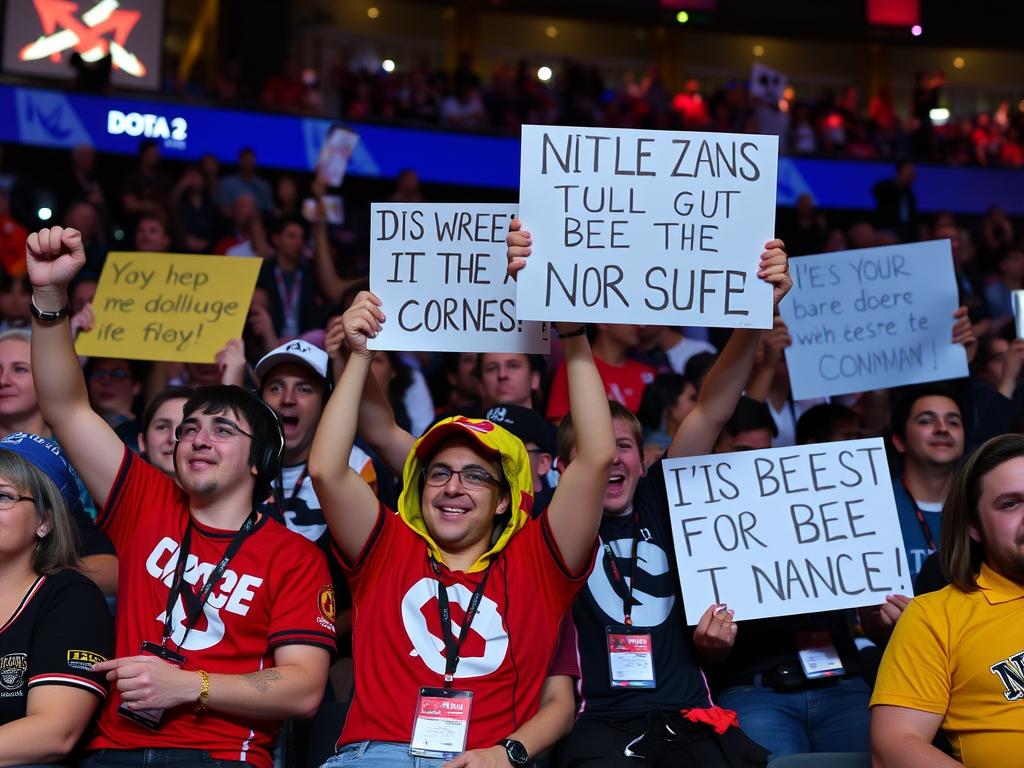
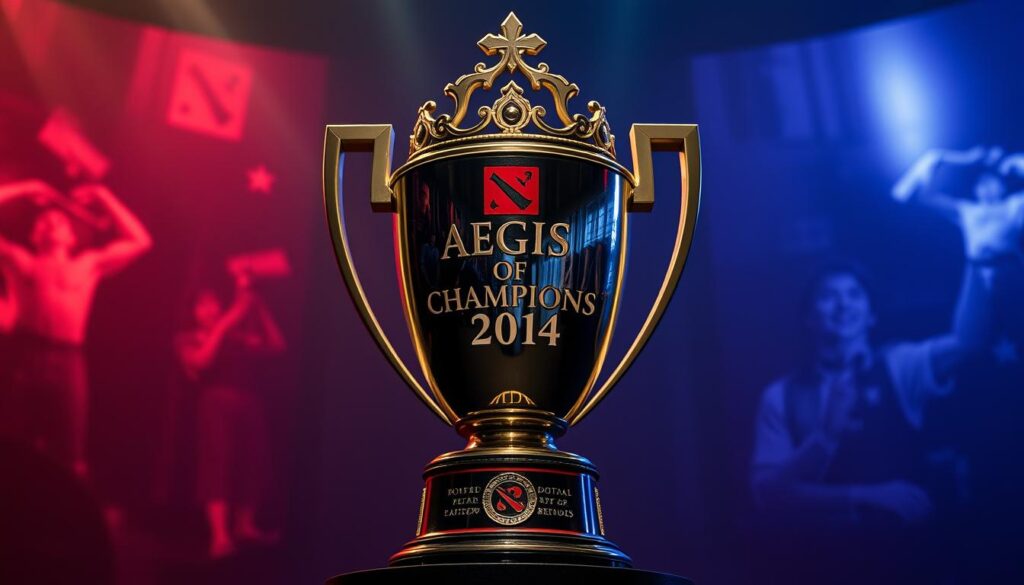
Dota 2 tournaments have developed their own unique culture and traditions. The crowd’s roar of “Ceeeeeeb!” after a big play by OG’s offlaner, the annual All-Star match featuring pros and personalities, and the tradition of teams lifting the Aegis of Champions at The International have all become beloved parts of the competitive experience.
The community has also embraced tournament-specific memes and inside jokes. From “Lakad Matatag! Normalin, Normalin!” (a Filipino cast call that went viral) to the annual “production value” discussions, these shared references have strengthened the bonds between fans worldwide.
Present and Future of Dota 2 Esports
As Dota 2 approaches its second decade as an esport, the tournament landscape continues to evolve, adapting to changing player preferences, business models, and competitive trends.
Current Formats and Key Leagues
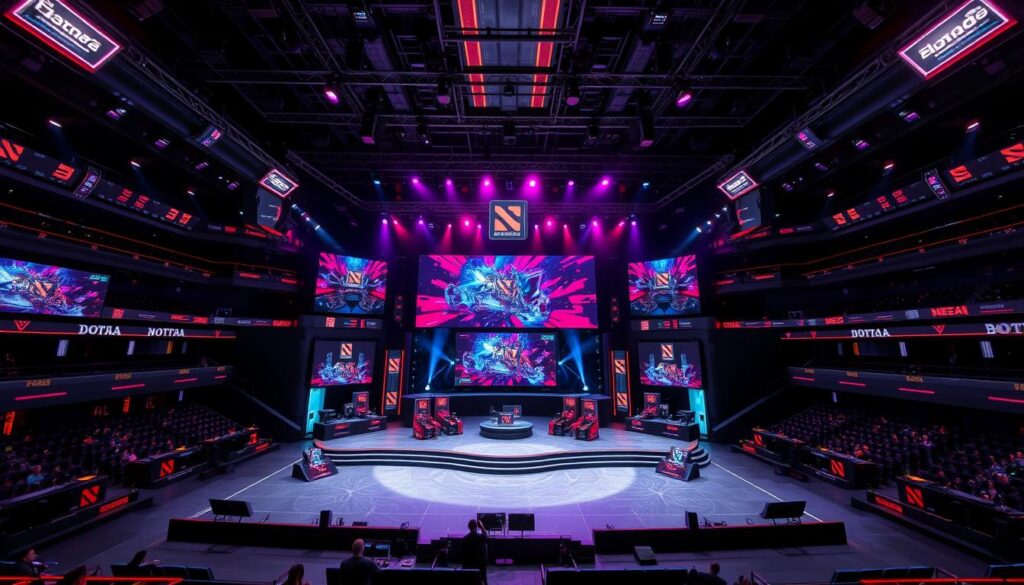
The 2024 tournament landscape shows resilience despite Valve’s decision to abolish the DPC system. The competitive scene has seen substantial growth in high-stakes tournaments, with events offering $1,000,000+ prize pools more than doubling from previous years.
Key events now include The International, Riyadh Masters as part of the Esports World Cup, and multiple DreamLeague seasons. Regional tournaments continue to provide crucial development opportunities, while third-party organizers like ESL, BLAST, and PGL have stepped up with their own circuit events.
The Future of TI and Grassroots Dota
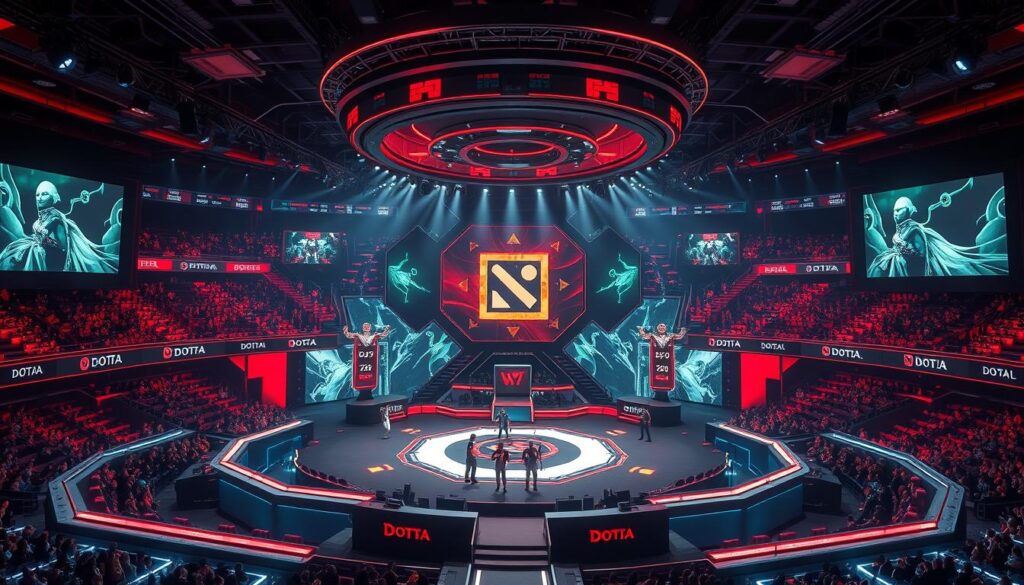
Looking forward, Dota 2 tournaments face both challenges and opportunities. While The International’s prize pool has decreased in recent years (TI13 in 2024: $2.60 million), the overall tournament ecosystem remains healthy with more distributed prize money across multiple events.
Technological integration, including AI-driven analytics and enhanced spectator experiences through AR/VR, may help modernize how tournaments are presented and viewed. Regional growth in areas like South Asia, the Middle East, and Eastern Europe presents opportunities to develop new talent pools and fan bases.
As the tournament scene evolves, so too does the ecosystem around it. Fan engagement platforms continue to refine their Dota 2 offerings, providing increasingly sophisticated interactive features that allow fans to engage with tournaments in new ways. This symbiotic relationship between competitive play and viewer engagement will likely remain an important part of the Dota 2 landscape.
Conclusion: Dota’s Enduring Competitive Spirit
The evolution of Dota 2 tournaments from modest Warcraft III mod competitions to multi-million dollar spectacles represents one of gaming’s most remarkable journeys. Through community passion, developer support, and innovative funding models, Dota 2 has consistently pushed the boundaries of what esports can achieve.
While the tournament structure continues to evolve, the core elements that made Dota 2 competitions special remain: the deep strategic gameplay, the passionate global community, and the unforgettable moments that define competitive greatness. As long as these elements persist, the future of Dota 2 tournaments looks bright, continuing to write new chapters in esports history.
Stay Updated on Dota 2 Tournaments
Join our newsletter to receive the latest news, match schedules, and analysis for upcoming Dota 2 tournaments.