
Let’s talk about the boss battle nobody wants to face. It’s not the final raid or a ranked promo series. It’s burnout.
Forget just being tired after a long session. This is chronic, grinding stress that corrupts your save file of passion. Think of it as your emotional graphics card overheating until the whole system throttles down.
The data defines it clearly: a state of emotional and physical exhaustion. It’s the debuff list from a hardcore RPG. Joyless victories. A hair-trigger temper with your squad. That creeping sense the daily grind is utterly pointless.
You might find yourself snapping at teammates, blaming yourself for every loss, or just staring at the screen unable to concentrate. It’s the repetitive strain injury of your psyche. This happens whether you’re a pro or someone deep in the world of esports broadcasting.
So how do you know when you’re facing this particular boss? It’s when the thing you love starts to feel like a job you can’t quit.
Healthy Streaming Habits
Forget the kale smoothies; the real secret to streamer health is found in ergonomics and sleep schedules. You’re not just a content creator; you’re a pilot logging hours in a very stationary cockpit. Your body is the hardware. Let’s optimize it.
This isn’t about becoming a gym influencer. It’s about targeted, preventative maintenance. The goal is to stop your skeleton from staging a rebellion during hour eight of a grind. Think of it as engineering your environment so you can focus on the game, not the growing ache in your lower back.
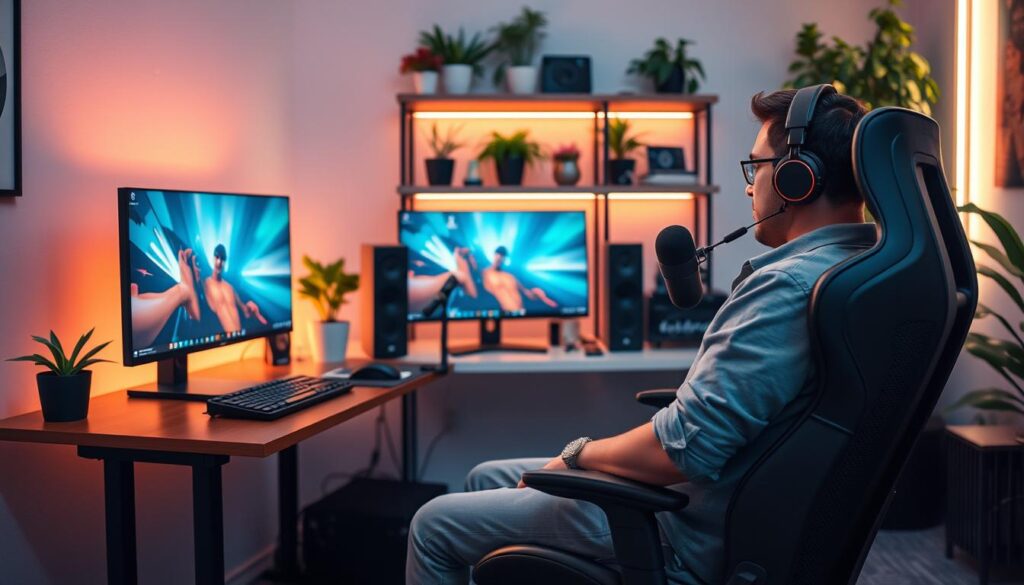
Let’s start with your throne. Your chair isn’t furniture; it’s primary life support. The data is clear: sitting for more than three hours straight is an invitation for back and neck pain. Your desk height should allow your elbows to rest at a 90-degree angle. Your monitor? The top of the screen should be at or slightly below eye level. This isn’t just comfort—it’s structural integrity for your spine.
Physical upkeep is next. We’re talking about the muscle groups that keep you stable: your core, your hips, your upper back. Simple, consistent strength and conditioning for these areas is like reinforcing the foundation of a building. It prevents the repetitive strain injuries—the pinched nerves, the wrist and hand pain—that are the occupational hazards of our peculiar sport.
Now, let’s talk about your windows to the world: your eyes. Eye fatigue and blurry vision are not badges of honor. The science behind the 20-20-20 rule is solid. Every 20 minutes, look at something 20 feet away for 20 seconds. It resets your focal muscles. The blue light debate rages on, but giving your eyes a scheduled break is non-negotiable for long-term streamer health.
Lastly, the bedrock: fuel and recovery. Your brain during an eight-hour stream is running a marathon. It needs proper hydration and nutrition. References suggest an intake of 1800-3000 calories for active individuals, but quality matters. And sleep? It’s your most powerful, legal performance-enhancing drug. Aiming for 8 hours of quality sleep isn’t a luxury; it’s what allows your mind to edit highlights and your body to repair tissue. It’s also what separates a work session from a passive binge-watching spiral.
| Area | The Problem | The Fix | Pro-Tip |
|---|---|---|---|
| Posture | Back/neck pain, poor posture from static sitting. | Ergonomic chair with lumbar support. Desk height set for 90° elbows. | Set a timer to stand up and stretch for 5 minutes every hour. |
| Eyes | Eye fatigue, blurry vision from screen glare and focus. | Follow the 20-20-20 rule. Position monitor at eye level. | Use software or monitor settings to reduce blue light in evening hours. |
| Wrists | Repetitive strain, pain from mouse/keyboard use. | Ergonomic peripherals (vertical mouse, split keyboard). Wrist rests. | Perform gentle wrist stretches and rotations during breaks. |
| Fuel | Energy crashes, poor concentration from poor diet. | Stay hydrated. Prioritize protein & complex carbs over simple sugars. | Keep a large water bottle on deck and healthy snacks within reach. |
| Recovery | Burnout, impaired cognitive function from lack of sleep. | Prioritize 8 hours of quality sleep. Have a wind-down routine. | Treat sleep like a critical part of your streamer health protocol, not an afterthought. |
Building these habits isn’t about adding more to-dos to your list. It’s about subtracting future pain and fatigue. Consider this table your quick-reference checklist. Your stream depends on you. Invest in the hardware.
Community Support
Streaming can be tough because your community can also stress you out. It’s like trying to destroy the One Ring, but with trolls in the chat. Your network is both a blessing and a curse.
But, a positive community is like a safety net. It’s the excitement after a great play. It’s the jokes that help you through tough times. It’s the support from mods when you’re feeling down. This support is key to fighting off the loneliness of online work.
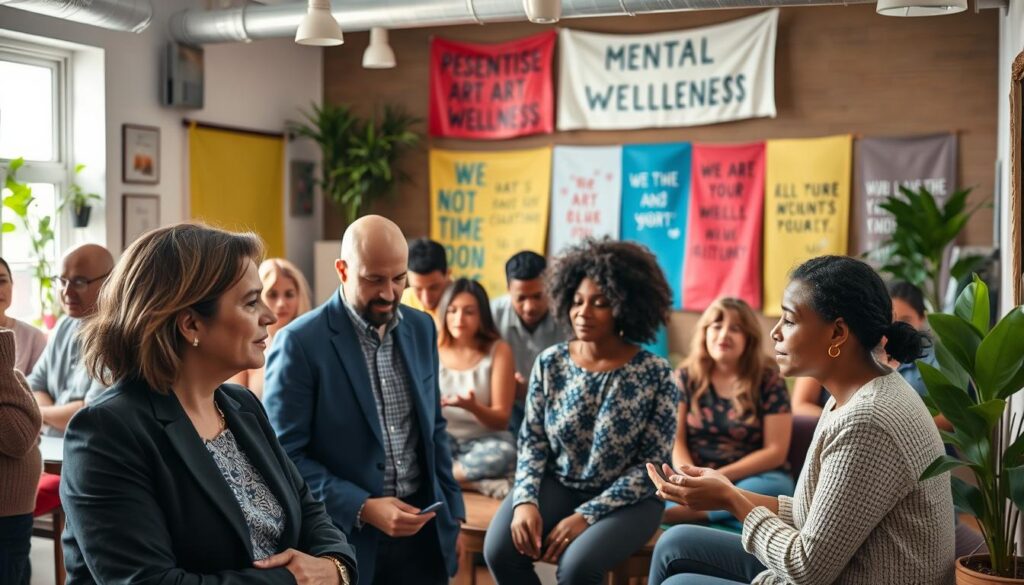
Esports teams know this well. They focus on team unity. For example, the Dallas Fuel brought players’ families to games. This helps fight loneliness and supports mental wellness.
On the other hand, a toxic community can be overwhelming. It’s the constant criticism and high expectations. This environment can hurt your mood and weaken your mental health.
To build a good community, focus on teambuilding. Even if it’s just your mods and loyal viewers. Create real connections and celebrate all victories. This is essential for your mental wellness.
The table below shows the key differences between supportive and toxic communities. It’s a quick way to check your community’s health.
| Supportive Community Traits | Toxic Community Traits |
|---|---|
| Constructive, specific feedback | Vague, personal attacks |
| Celebrates effort, not just results | Demands constant peak performance |
| Respects established boundaries | Feels entitled to 24/7 access |
| Self-moderates negative behavior | Amplifies drama and conflict |
| Fosters a sense of shared identity | Creates cliques and in-groups |
To deal with a toxic community, set clear rules and act on them. Support your moderators and don’t hesitate to remove negative voices. Your stream’s atmosphere is your mental health’s investment.
Your mental state depends on your digital and real-life friends. Treat your community with the same care as your content. Build a supportive group. Because solo struggles are hard to win.
Where to Get Help/Share Resources
Finding a good mechanic is key. It’s like having a map to help. This guide will show you the way.
Getting help is normal. A sports psychologist for esports pros is not a sign of weakness. It shows respect for mental health. Teams like Cr4zy use experts to manage stress and prevent burnout. It’s like upgrading your performance.
Also, use online forums and amateur teams. They offer tips on ergonomics and schedules. Scouts and peers share survival strategies. Finding your tribe and understanding career paths is important, as shown in the overview of pro esports careers.
Don’t forget about real-world resources. Mental wellness is not just for games. Places like the mental health resources in Toronto show how support works. Friends and setting boundaries are also key.
The aim is more than avoiding burnout. It’s about building a healthy streaming life. That’s the real win for your streamer health.