
The League of Legends competitive scene has evolved from humble beginnings into the world’s most watched esport, drawing over 100 million viewers to its World Championship and creating a global phenomenon that rivals traditional sports. With professional leagues spanning continents, international tournaments that captivate fans worldwide, and a complex ecosystem of teams and players, LoL esports represents the pinnacle of competitive gaming.
For newcomers and veterans alike, understanding the structure, following the action, and getting involved in this dynamic community opens doors to one of entertainment’s most exciting frontiers. This guide takes you inside the world’s biggest esports stage, breaking down everything from regional leagues to international events and showing you how to become part of this thriving global phenomenon.
Structure of the LoL Competitive Scene
The League of Legends competitive scene follows a structured ecosystem designed by Riot Games, with regional leagues feeding into international tournaments. This hierarchical system allows teams from around the world to compete at various levels while representing their regions on the global stage.
Major Leagues
The professional LoL ecosystem is built around four major regional leagues, each with its own format, teams, and competitive calendar:
- LCS (League Championship Series) – North America’s premier league featuring 10 franchised teams competing across Spring and Summer splits
- LEC (League of Legends European Championship) – Europe’s top-tier competition with 10 teams in a franchise model
- LCK (League of Legends Champions Korea) – South Korea’s prestigious league known for producing world champions like T1 and Gen.G
- LPL (League Pro League) – China’s massive 17-team league, considered the largest and most competitive regional competition
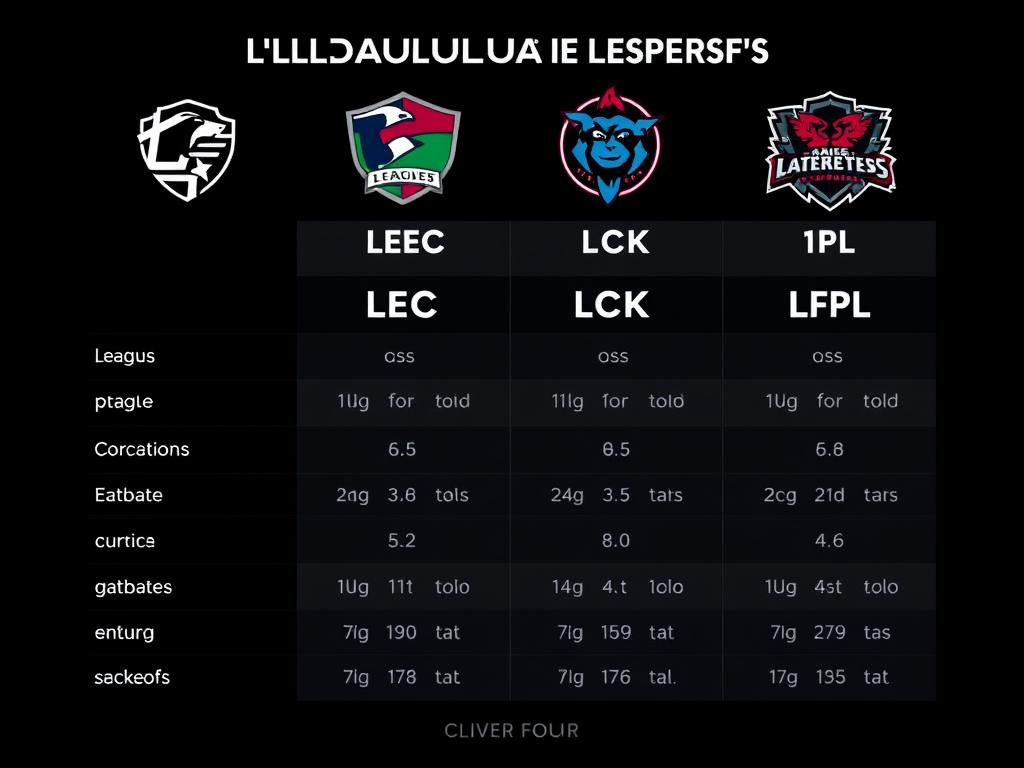
Beyond these major regions, smaller leagues operate in Brazil (CBLOL), Japan (LJL), Latin America (LLA), Vietnam (VCS), and the Pacific region (PCS), each sending representatives to international events.
International Events
The global LoL competitive scene culminates in two major international tournaments that bring together the best teams from all regions:
Mid-Season Invitational (MSI)
Held between the Spring and Summer splits, MSI invites the champions from each regional league to compete in an international showcase. The tournament serves as a mid-year power ranking of regions and provides valuable championship points that affect World Championship qualification.
The 2023 MSI featured a prize pool of $250,000 and was won by China’s JD Gaming, establishing them as the mid-season global powerhouse.
World Championship (Worlds)
The pinnacle of League of Legends esports, Worlds spans nearly a month of competition each October-November. The tournament brings together 24 teams from all regions in a multi-stage format:
- Play-In Stage: Teams from smaller regions and lower seeds from major regions compete for spots in the main event
- Group Stage: 16 teams battle in a Swiss-style format (introduced in 2023)
- Knockout Stage: Single-elimination bracket culminating in the finals
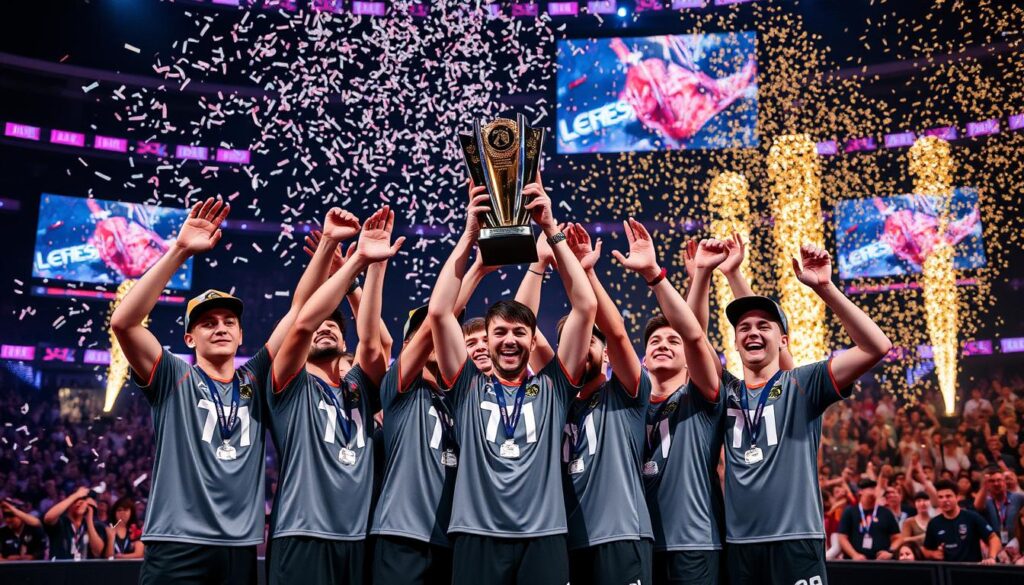
With prize pools exceeding $2.2 million and viewership topping 100 million, Worlds represents the largest esports event globally. The 2023 tournament was won by T1, led by legendary mid-laner Faker, securing their fourth world title.
Amateur & Academy Circuits
The foundation of the LoL competitive scene includes developmental leagues that nurture upcoming talent:
- Academy Leagues: Secondary teams affiliated with major organizations (like TSM Academy or T1 Challengers)
- Regional Leagues: Country-specific competitions like the LFL (France), LVP (Spain), and Prime League (Germany)
- Collegiate Programs: University-based competitions in North America and other regions
These lower-tier competitions serve as talent pipelines, allowing organizations to develop players before promoting them to main rosters in major leagues.
How Pro Players and Teams Operate
Behind the spectacle of the League of Legends competitive scene lies a sophisticated infrastructure of player development, team management, and professional operations that mirrors traditional sports organizations.
Talent Scouting and Player Development
Professional teams employ various methods to identify and nurture talent:
- Solo Queue Scouting: Teams monitor high-ranking players on regional servers
- Tryouts: Organized sessions where promising players demonstrate skills
- Academy Systems: Development teams where young players gain competitive experience
- International Recruitment: Importing players from stronger regions (particularly Korean players to Western teams)
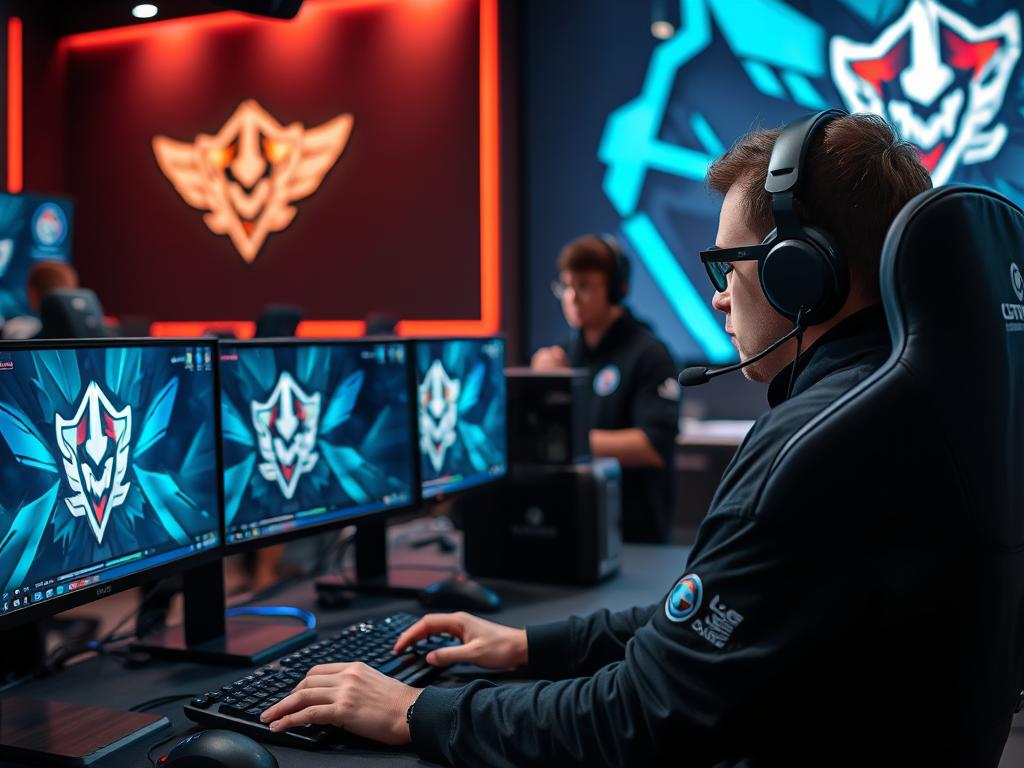
Training Schedules and Lifestyle
The life of a professional LoL player is demanding and structured:
“We practice 12-14 hours daily during the season. Scrims against other teams take up most of the day, followed by solo queue practice and VOD reviews. It’s exhausting but necessary to stay competitive at the highest level.”
A typical day for pro players includes:
- 6-8 hours of team practice (scrims against other organizations)
- 2-4 hours of individual practice (solo queue)
- VOD review sessions analyzing past performances
- Strategy meetings with coaches and analysts
- Physical exercise and mental health sessions
Teams live together in gaming houses or training facilities, creating an immersive environment focused on improvement and team cohesion.
Team Organizations and Management
Modern LoL esports organizations operate as full businesses with extensive support staff:
| Role | Responsibilities |
| Head Coach | Overall strategy, draft preparation, team development |
| Position Coaches | Lane-specific coaching and individual player development |
| Analysts | Data analysis, opponent scouting, meta research |
| Sports Psychologists | Mental health support, performance psychology |
| Team Manager | Logistics, scheduling, player welfare |
| Nutritionists/Physical Trainers | Physical health, exercise regimens, dietary planning |
Major organizations like T1, G2 Esports, and Team Liquid operate across multiple esports titles with valuations reaching hundreds of millions of dollars. These organizations secure revenue through sponsorships, merchandise sales, prize money, and league revenue sharing.
Follow Your Favorite Teams
Stay updated with the latest roster moves, match results, and behind-the-scenes content from the top League of Legends teams.
Tournament Breakdown
The League of Legends competitive scene features diverse tournament formats, each with unique structures and significance within the ecosystem.
How Tournaments Are Structured
LoL tournaments employ various formats depending on their place in the competitive calendar:
Regular Season Formats
- Round Robin: Each team plays against every other team once or twice
- Best-of-One (Bo1): Single games used in LCS and LEC regular seasons
- Best-of-Three (Bo3): Series format used in LCK and LPL regular seasons
Playoff Formats
- Single Elimination: Traditional bracket where losers are eliminated
- Double Elimination: Teams get a second chance through a losers bracket
- Best-of-Five (Bo5): Extended series format used in most playoff matches
International events like Worlds have evolved their formats over time, with the 2023 World Championship introducing a Swiss-style system for the main event group stage, replacing the traditional four-group format.
Notable Past Events and Highlights
The history of the LoL competitive scene is filled with memorable moments that have defined the esport:
Iconic World Championship Moments
- 2013: SK Telecom T1’s first world title, establishing Faker as the game’s greatest player
- 2016: ROX Tigers vs. SKT semifinal, widely considered the greatest series in LoL history
- 2018: Invictus Gaming becoming the first Chinese team to win Worlds
- 2022: DRX’s miracle run from play-ins to championship, defeating T1 in the finals
- 2023: T1’s dominant return to form, securing their fourth world title
Prize Pools and Sponsorship
The financial ecosystem of LoL esports has grown exponentially since its inception:
- World Championship prize pools exceeding $2.2 million
- Regional league prize pools ranging from $200,000 to $600,000 per split
- Major sponsorships from brands like Mercedes-Benz, Mastercard, and Spotify
- Player salaries ranging from $100,000 to over $1 million annually in top regions
The growth of fantasy esports platforms has also impacted the LoL competitive scene, with many fans using analytics tools and fantasy leagues to engage more deeply with matches and tournaments. These platforms often provide specialized statistics for esports events, contributing to the overall engagement with competitive League of Legends.
The 2023 World Championship final between T1 and Bilibili Gaming broke viewership records with a peak of 6.9 million concurrent viewers (excluding Chinese platforms), cementing LoL’s position as the world’s most-watched esport.
How to Follow & Get Involved
Engaging with the League of Legends competitive scene offers multiple avenues for fans to follow the action and participate in the community.
Streaming Platforms and Where to Watch
The primary platforms for watching LoL esports include:
- Twitch: Primary streaming platform for most leagues
- YouTube: Simultaneous streams with VOD access
- LoL Esports Website: Official hub with all regional broadcasts
- Regional Broadcasters: LCK (AfreecaTV), LPL (Huya/Bilibili)
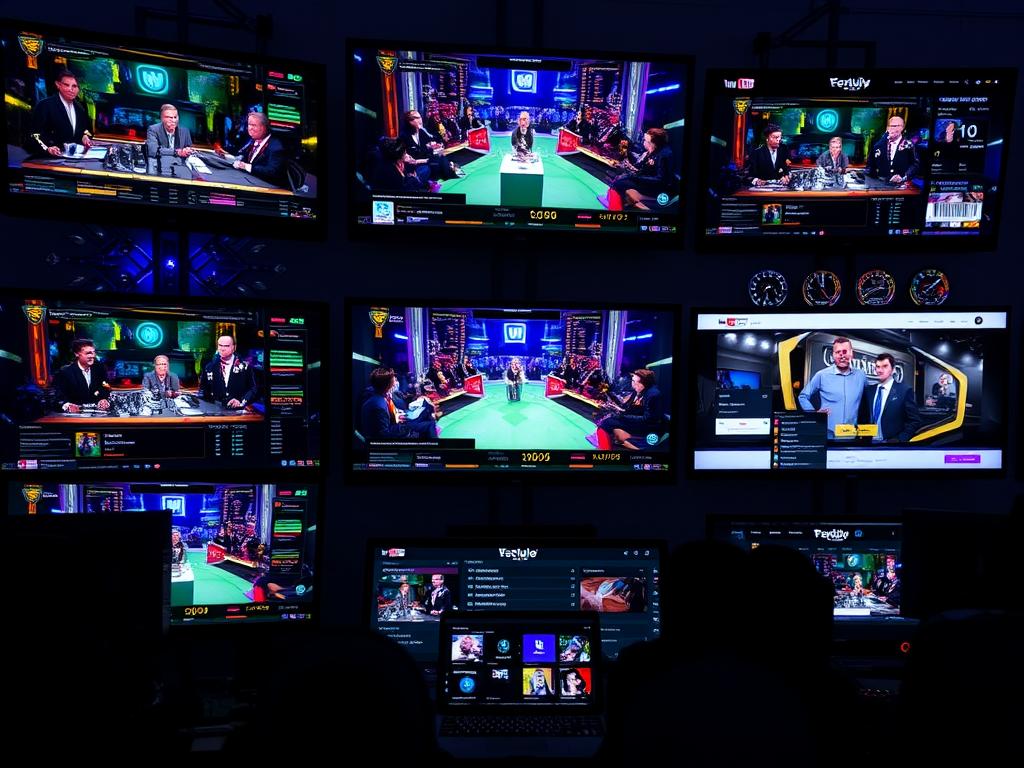
Most major leagues broadcast in multiple languages, with English, Korean, Chinese, Spanish, French, and German being the most common. Matches are typically streamed live and then archived for on-demand viewing.
Never Miss a Match
Get notifications for upcoming games and access to VODs for all major League of Legends tournaments.
Community Events and Fan Engagement
Beyond watching matches, fans can engage with the LoL competitive scene through:
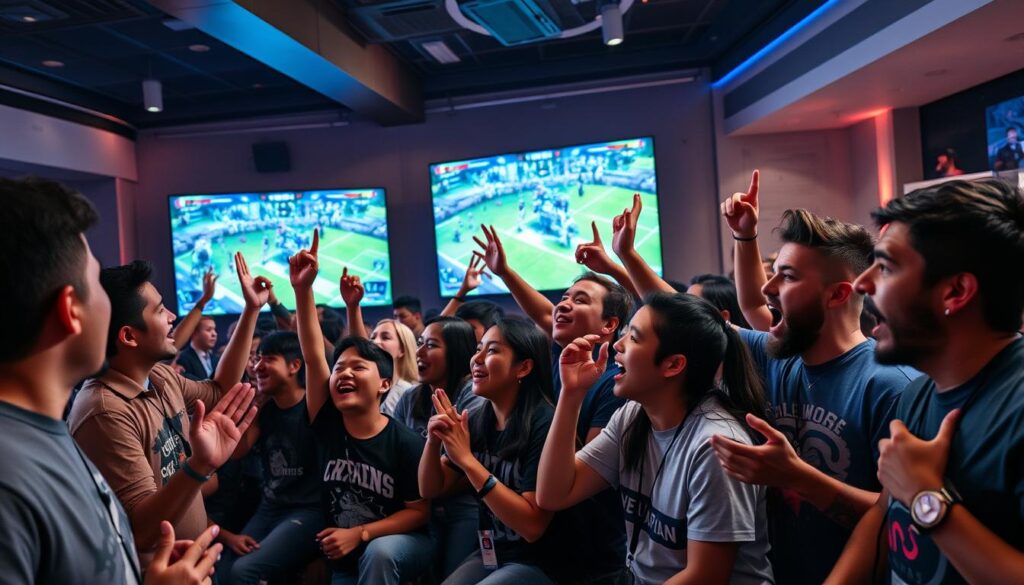
- Viewing Parties: Community gatherings to watch major tournaments
- Meet & Greets: Player appearances at events like All-Star and Rift Rivals
- Reddit Communities: r/leagueoflegends and team-specific subreddits
- Fantasy Leagues: Draft players and earn points based on performance
- Prediction Challenges: Official and third-party platforms for tournament predictions
For those interested in deeper engagement with esports, fantasy esports platforms have become increasingly popular for League of Legends tournaments. Many fans consult community analytics sites to find platforms with the best tools and most comprehensive coverage of regional leagues and international events.
Upcoming Events and Breaking News
Stay informed about the latest developments in the LoL competitive scene through:
Official Sources
- LoL Esports website and social media
- Riot Games announcements
- Team websites and social channels
Community Sources
- Esports news sites (Dot Esports, Inven Global)
- Community figures and analysts on Twitter
- Podcasts like The Dive, Summoning Insight, and EUphoria
The Future of LoL Esports
The League of Legends competitive scene continues to evolve, with Riot Games implementing changes to improve the ecosystem while expanding its global reach.
Riot’s Plans and League Changes
Recent and upcoming developments in the LoL esports structure include:
- Format Innovations: Introduction of Swiss format at Worlds 2023
- Regional Restructuring: Creation of the LTA (League of Legends Championship of The Americas) merging LCS with Latin American and Brazilian leagues
- New International Events: Addition of the First Stand Tournament in 2025
- Broadcast Enhancements: Improved production quality and viewer experience
- Revenue Sharing: Expanded programs to support teams financially
“We’re constantly looking at ways to evolve our competitive ecosystem to create more meaningful matches, better storylines, and a more sustainable environment for teams and players.”
Esports Economic Impact and Growth Prediction
The LoL competitive scene continues to drive significant economic activity:
Current Impact
- Team valuations exceeding $100 million for top organizations
- Media rights deals worth tens of millions annually
- Merchandise and digital content generating substantial revenue
- Sponsorship deals with major non-endemic brands
Growth Projections
- Expanded viewership in emerging markets
- Increased integration with fan engagement platforms as esports analytics grows
- New revenue streams through digital innovations
- Greater mainstream recognition and media coverage
Industry analysts predict the League of Legends esports ecosystem will continue to grow at 15-20% annually over the next five years, with particular expansion in Southeast Asia, Latin America, and the Middle East.
Opportunities for Fans and Budding Pros
The expanding LoL competitive scene creates numerous pathways for involvement:
Career Opportunities
- Professional Player: Through ranked play, amateur leagues, and scouting grounds
- Coaching/Analysis: Positions for strategic minds with deep game knowledge
- Content Creation: Streaming, video production, and writing about the competitive scene
- Event Production: Technical, creative, and management roles in esports broadcasts
- Team Operations: Management, marketing, and business development for organizations
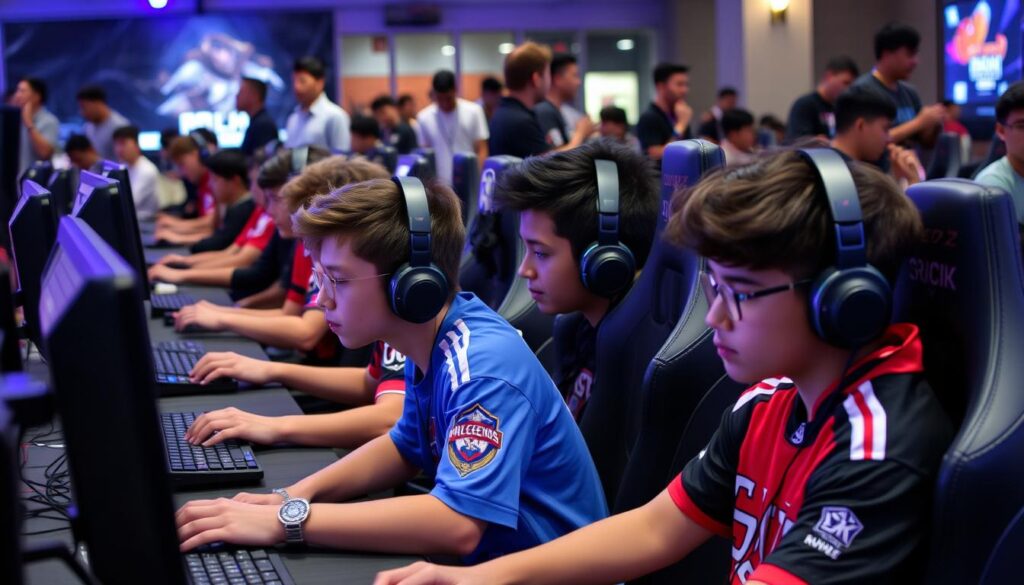
For fans looking to engage more deeply, community tournaments, collegiate leagues, and amateur competitions provide opportunities to experience competitive play without reaching the professional level.
Conclusion: The Enduring Hype of the LoL Scene
The League of Legends competitive scene has transformed from a niche gaming competition into a global entertainment phenomenon that rivals traditional sports in viewership, production value, and fan engagement. With its complex ecosystem of regional leagues, international tournaments, and passionate community, LoL esports continues to set the standard for competitive gaming worldwide.
Whether you’re a casual viewer tuning in for the spectacle of Worlds, a dedicated fan following your favorite team through regional splits, or an aspiring pro grinding the ranked ladder, the LoL competitive scene offers something for everyone. As the ecosystem continues to evolve and expand, the future looks bright for what has become the world’s premier esports title.
Join the League of Legends Esports Community
Stay updated with the latest news, match schedules, and analysis from the world of competitive League of Legends.