
Let’s go back in time. Before they became famous, today’s top streamers were just kids playing games. Their stories started in basements and bedrooms, not fancy offices.
This isn’t just about hard work. It’s a deep dive into where these stars came from. Think of Ninja’s early days in Halo, a world away from his Fortnite fame.
Pokimane, for example, used her engineering smarts to understand online platforms. Shroud’s dad was a software developer, and Kai Cenat’s TikTok humor helped him stand out.
To really get it, you need to see how gaming has changed. The real story starts when talent meets the right platform.
Every streamer journey begins with a mix of dreams, luck, and that first show to a small crowd.
Challenges and Breakthroughs
Forget the highlight reels; the true origin story of every major streamer begins in what Hollywood would call the ‘dark night of the soul’ montage. This isn’t about quitting school or buying a fancy microphone. We’re talking about the existential gamble that follows—the empty chat, the ramen-noodle budget, the soul-crushing realization that being good at a game is roughly 10% of the job description.
The financial uncertainty hits first. Unlike traditional pro gamers on salary, streamers live on viewer donations and volatile ad revenue. One slow month can mean choosing between internet bills and groceries. Yet this pressure cooker environment forces innovation you won’t find in any corporate training manual.
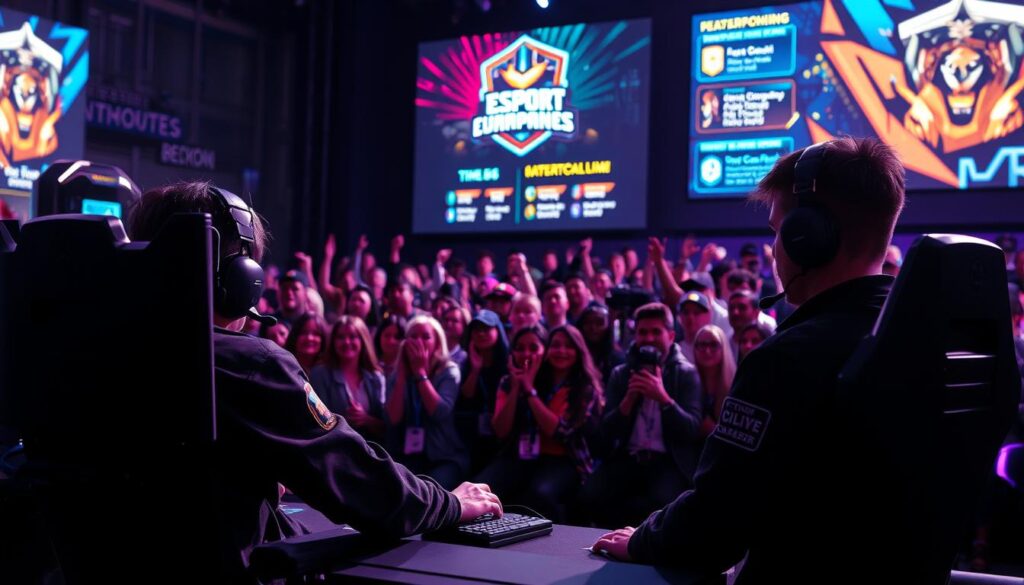
Skill development becomes the real differentiator. Mastering a game is basic entry. The advanced curriculum includes: content curation, audience psychology, brand negotiation, and energy management for 12-hour broadcasting marathons. Suddenly, that computer science degree doesn’t seem so irrelevant.
Take Ninja’s calculated revolution. His genius wasn’t merely playing Fortnite well—it was recognizing the cultural vacuum around battle royale and staging a hostile takeover. The Drake collaboration wasn’t luck; it was a strategic mainstream injection that made Wall Street Journal readers care about headshots. When Mixer collapsed, he didn’t mourn—he negotiated a historic return to Twitch. This is business chess, not button-mashing.
Kai Cenat weaponized platform dynamics. While others chased Twitch trends, he mined TikTok for viral gold, transforming short-form concepts into week-long “Mafiathon” lore. His breakthrough wasn’t a singular event but a content assembly line engineered for maximum engagement. The kid from the Bronx didn’t just join the streaming elite; he rewrote their playbook.
Pokimane faced the pigeonhole problem head-on. As a female streamer, the industry tried to box her into “just gaming” or “just chatting.” Her solution? Become bilingual in business and entertainment. She leveraged her “Just Chatting” segments into ventures like RTS and OfflineTV, transforming personal brand into portfolio diversification. She didn’t break the glass ceiling—she installed a skylight.
Then there’s Shroud, the clinical craftsman. His transition from pro gamers in CS:GO to full-time streamer showcased how mechanical precision could become mesmerizing spectacle. He transformed what could be sterile gameplay into a masterclass of efficiency. His audience doesn’t just watch; they attend a seminar on perfection.
The burnout is real. Summit1G’s pivot to variety streaming wasn’t boredom—it was survival. xQc’s manic energy requires pharmaceutical-grade management. These aren’t hobbies; they’re high-performance careers with psychological tolls that would make most Fortune 500 executives buckle.
Platform betrayal became its own rite of passage. When Microsoft shuttered Mixer, it wasn’t just a service ending—it was proof that even billion-dollar backing means nothing without cultural relevance. The survivors learned to treat platforms as temporary vessels, not permanent homes.
So what separates these engineered breakthroughs from mere luck? Cold, Silicon Valley startup efficiency. They treat their channels as MVPs (Minimum Viable Personalities), A/B test content relentlessly, and pivot faster than a tech unicorn. The fundamental difference between streaming and traditional pro becomes clear: one is sport, the other is media production.
The controversies—from banned accounts to public feuds—aren’t setbacks but data points. Each scandal teaches audience limits, platform politics, and redemption arc. These streamers don’t avoid fire; they learn its temperature.
Ultimately, their breakthroughs share a common architecture: identify a cultural niche, dominate it through obsessive consistency, then diversify before the trend peaks. They’re not playing games for a living—they’re running media empires with gaming as the initial product. The controller is just the steering wheel.
The messy middle where most aspirants quit becomes their competitive moat. While others complain about algorithm changes, they’re reverse-engineering them. When new games drop, they’re not just learning mechanics—they’re analyzing spectator appeal and clip. This isn’t entertainment; it’s applied behavioral economics with a webcam.
So next time you watch a record-breaking stream, remember: you’re not seeing someone play video games. You’re witnessing a masterclass in modern entrepreneurship, where the only cheat code is relentless adaptation.
Community Building
The real value in streaming isn’t just about how many viewers you have. It’s about the inside jokes that become part of your community’s history. I’ve seen how obsessed people get over follower counts, but I think that’s old news. What really matters are the DMs full of fan art, the memes in the comments, and the watch time that shows people are really engaged.
Think of it like a digital water cooler. Pokimane didn’t just start a channel; she created a welcoming space. Her meet-and-greets and charity events were more than just PR. They were a part of the community that already existed in the chat. This is what makes people feel like they belong.
Ninja took a different approach. He had a strict schedule, not just for content. It made his viewers feel like they could count on him every day. His community grew because he was always there, making his show a daily habit for his viewers.
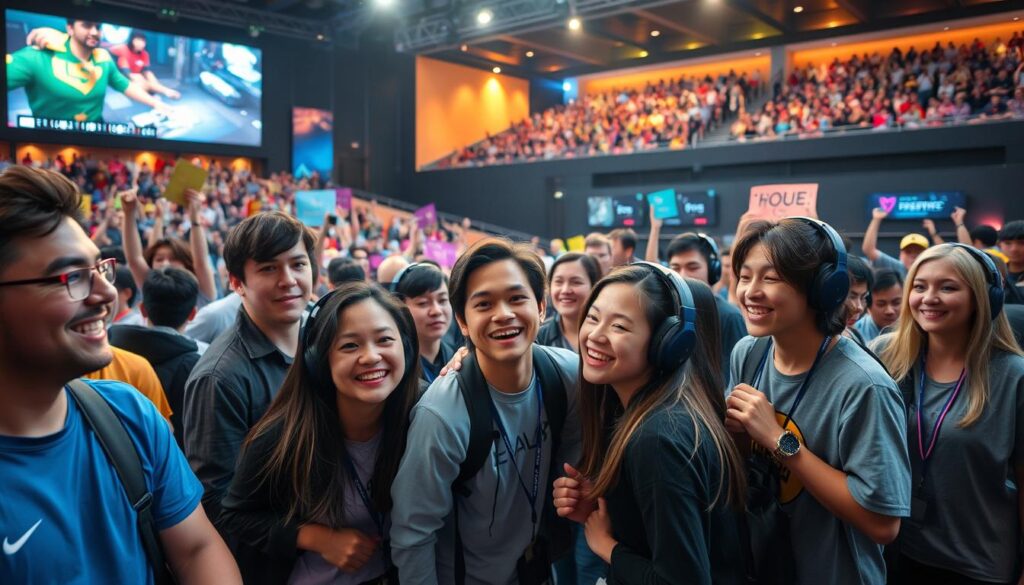
Then there’s the lore. This is where the best esports stories are told. xQcOW’s community is like a chaotic theater where everyone is part of the show. From sub-a-thons to inside jokes, these moments are part of a shared story. The community and the streamer both own this lore.
Kai Cenat brought something special to the table: real authenticity. His interactions with fans are genuine and not managed. He focuses on real connections, not just algorithm optimization. This approach makes his community feel real and connected.
Let’s talk about what makes a crowd a community.
| Streamer | Core Strategy | Authenticity Move | Community Vibe |
|---|---|---|---|
| Ninja | Rigorous Schedule as Ritual | Predictable daily presence | Reliable & Habit-Forming |
| Pokimane | Inclusive Space Curation | Charity & real-world meet-ups | Safe & Welcoming |
| Kai Cenat | Cultural Authenticity First | Unfiltered fan interaction | Raw & Energetic |
| TimTheTatman | “Friend-Like” Atmosphere | Relatable fails & victories | Your Funny Online Friend |
| xQcOW | Participatory Chaos Theater | Audience as co-writers of lore | Chaotic & Immersive |
Syndicate and TimTheTatman show us that it’s not just about broadcasting. It’s about creating a shared experience. Tim makes his viewers feel like friends because he lets them in on the joke. Often, the joke is on him.
The metrics that really matter now are personal:
- DMs and Comments: The quality of one-on-one interactions.
- Shareability: Does the community evangelize for you?
- Watch Time: Are they staying, or just passing through?
- Lore Development: Are inside jokes becoming community canon?
This shift from broadcaster to curator is why platforms are trying to copy Twitch. It’s not about the features. It’s about creating a space where people feel seen, heard, and valued.
The greatest esports stories aren’t just about winning. They’re about the communities that form in the chat. They’re built by recognizing the usernames that show up every day. By turning a monologue into a dialogue. The next generation of streamers will be judged by the strength of their community, not just their follower count.
Advice for Aspiring Streamers
Want to make a career out of live streaming? Let’s get real. First, can you make talking to a tree entertaining? That’s the key skill. Live streaming is like performing without a safety net.
Don’t get too caught up in how many followers you have. Focus more on the quality of your chat. Your microphone is less important than your attitude. Learning from esports streamers like Ninja shows the value of patience. His early days playing Halo were all about playing the long game.
Be yourself, even if that means being weird, like Kai Cenat. Be ready to change your content like Pokimane did, moving from League of Legends to lifestyle videos. Your unique personality is your strongest tool. Use smart content choices and know your platforms well.
Don’t just play a game; create an experience. Develop your own lore with running gags and community jokes. This adds soul to your content. Remember, “Showing, not telling, will never not be the best form of sharing ideas.” Let your stream show your worth.
Avoid the trap of trying too hard to optimize everything. Analytics are helpful, but they shouldn’t control your content. Creating for the sake of analytics is a dead-end path. If you make a product, like a course, you must promote it all the time. That’s the business world.
Success in streaming is a mix of discipline and vulnerability. You need to be resilient and adaptable. Now, create something that truly feels like yours.