
When Nintendo introduced the Switch in March 2017, expectations were tempered. The company had stumbled with the Wii U, and many questioned whether a hybrid console — part handheld, part home system — could truly compete in a market dominated by Sony and Microsoft.
Nearly a decade later, the verdict is undeniable. The Nintendo Switch has surpassed 155 million units sold worldwide, officially becoming the best-selling console in Nintendo’s history. It has overtaken the iconic Nintendo DS and now trails only Sony’s PlayStation 2 on the all-time global sales leaderboard.
That outcome seemed unlikely in 2017. But in hindsight, the Switch may have been one of the smartest pieces of hardware design in modern gaming.
A Risk That Paid Off
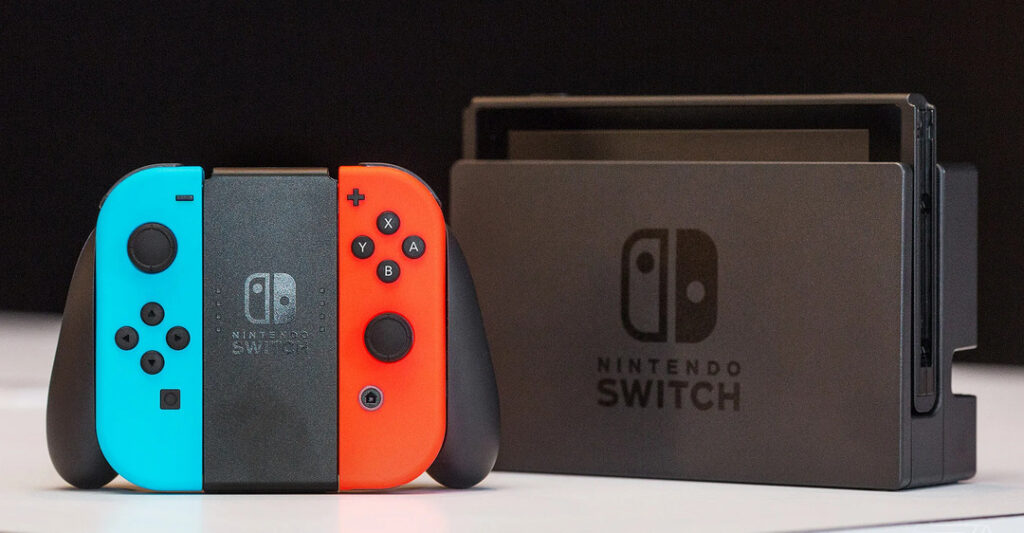
Nintendo’s core gamble was simplicity. The Switch wasn’t chasing raw power or cutting-edge graphics. Instead, it focused on flexibility. Players could dock it for a living room experience or undock it and carry their game anywhere. That single idea collapsed the divide between handheld and console ecosystems — something Nintendo had struggled to unify for years.
The hybrid model wasn’t just novel; it solved a real consumer need. It fit into busy lives. It traveled easily. It allowed families to share experiences on one screen or split into portable sessions without friction.
As the console matured, coverage across gaming media — including communities like Game Cloud Network — highlighted how the Switch reshaped player expectations about portability and performance balance.
That convenience became a defining strength when the world shut down in 2020.
The Pandemic Boost
When lockdowns swept across the globe, gaming consumption surged. The Switch was uniquely positioned to capitalize on the moment. It wasn’t just a console — it was portable social interaction.
Animal Crossing: New Horizons became a cultural phenomenon during the pandemic, selling tens of millions of copies and turning virtual islands into emotional safe havens. Friends met digitally, birthday parties were held online, and entire communities gathered inside a cartoon world during a time of physical separation.
The Switch wasn’t simply benefiting from demand — it became part of daily coping routines. That period accelerated sales dramatically and cemented the console’s mainstream status.
The Franchise Effect
Of course, hardware doesn’t sell itself. Nintendo’s real advantage has always been its intellectual property.
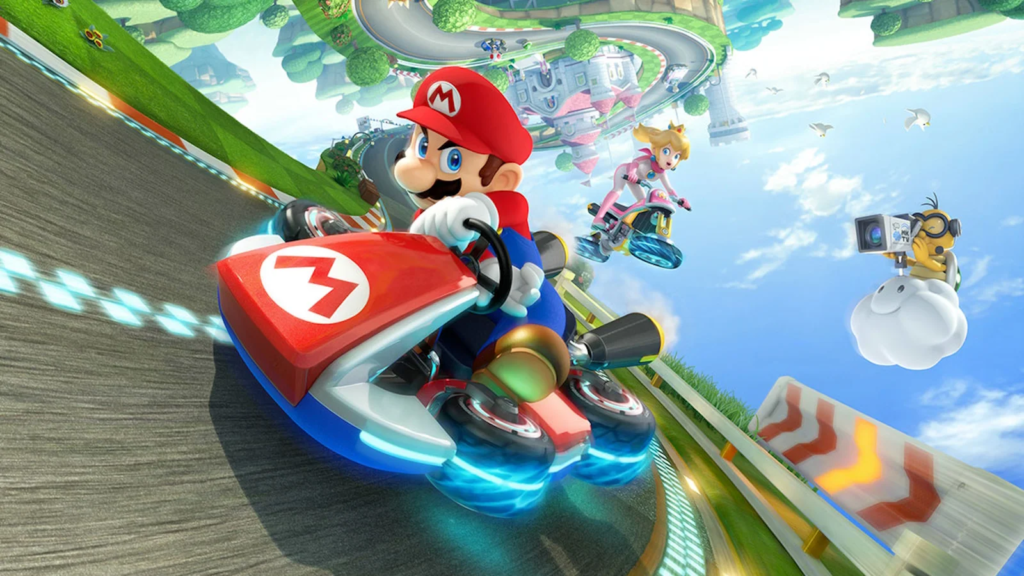
The Switch generation delivered some of the most commercially successful entries in the company’s storied franchises. Mario Kart 8 Deluxe became the best-selling title in Nintendo history. The Legend of Zelda: Breath of the Wild and its sequel redefined open-world adventure design. Pokémon titles continued their dominance, while Super Smash Bros. Ultimate gathered players into the largest crossover fighting roster ever assembled.
Competitive gaming interest also expanded during this era, with crossover appeal into Esports betting at BetOnline as tournament scenes around Smash Bros. and Pokémon gained more mainstream traction.
Even series that traditionally operated below blockbuster status saw record numbers. Luigi’s Mansion, Mario Party, and Metroid all achieved commercial highs during the Switch era.
Nintendo didn’t just release games — it paced them carefully. Major titles arrived consistently, keeping hardware demand alive year after year.
Why Investors Still Flinched
Ironically, Nintendo announced its historic sales milestone alongside news that unsettled investors. The company’s shares dropped following concerns about slowing software growth and rising component costs.
Memory prices — particularly RAM — have increased significantly across global electronics manufacturing. That affects console profit margins. Add to that broader economic pressures and tariffs in key markets, and suddenly record-breaking hardware sales don’t automatically translate into soaring stock prices.
Executives have acknowledged that higher production costs could weigh on profits going forward, especially as the company transitions into its next hardware cycle.
Switch 2: A Strong Start, Different Conditions
The Switch 2 launched in June 2025 and has already sold roughly 17 million units by the end of the year — an impressive start by any measure. Early adopters have praised its improved performance and expanded capabilities, and backward compatibility helped maintain loyalty among existing players.
With online connectivity becoming increasingly central to gaming ecosystems, many consumers are also prioritizing cybersecurity — consulting guides like Best Antivirus for 2026 to protect personal data across consoles, PCs, and connected devices.
Still, expectations are complicated. The original Switch benefited from ideal timing and a cultural moment unlikely to repeat. The pandemic created a surge in demand that no console cycle can reliably recreate.
Industry analysts suggest the Switch 2 will almost certainly be successful. The more complicated question is whether it can surpass its predecessor’s extraordinary run. It may sell extremely well — just not historically unprecedented well.
A Rare Achievement in Gaming History
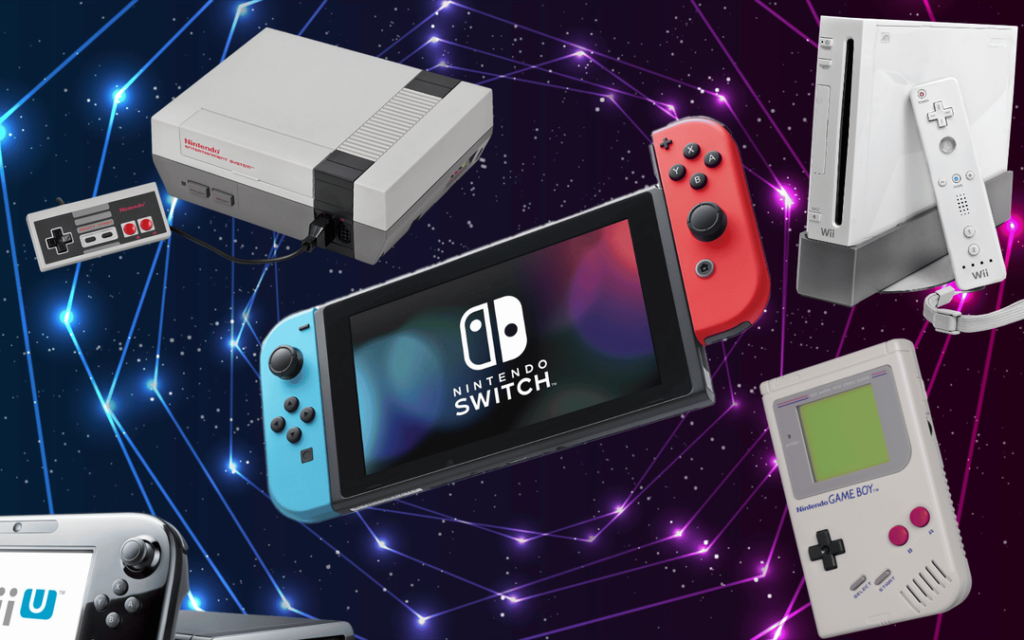
To understand the Switch’s place in history, context matters. Very few consoles ever cross the 150-million-unit threshold. The PlayStation 2 remains the all-time leader at just over 160 million units. The Nintendo DS held Nintendo’s internal crown for years. Now the Switch sits among that elite company, redefining what seemed possible after the Wii U era.
This wasn’t a comeback built on power specs or aggressive pricing wars. It was built on design clarity, trusted franchises, and understanding how people actually want to play games.
More Than Just Sales
The Switch’s impact extends beyond numbers. It reshaped how the industry thinks about hardware form factors. It revitalized Nintendo’s global brand dominance. It attracted both hardcore players and casual audiences in equal measure. It supported a thriving indie ecosystem while maintaining blockbuster exclusives.
Most importantly, it reminded the gaming world that innovation doesn’t always mean more horsepower. Sometimes it means rethinking how hardware fits into everyday life.
The Final Level
When the Switch debuted, many saw it as a creative risk. In 2026, it stands as Nintendo’s most successful console ever — a device that bridged generations, survived industry skepticism, and thrived during global upheaval.
Whether the Switch 2 can replicate that magic remains to be seen. But the original Switch has already secured its place as one of the defining gaming systems of the 21st century.
And for a company built on reinvention, that might be the most impressive achievement of all.