
Think you’re just herding cats in gaming chairs? Think again. The modern team manager is a strategic mastermind. They are like Gandalf and Gordon Gekko combined.
This role has changed a lot. It’s no longer just about babysitting. Today, a team manager does everything from finding talent to managing money.
They link players, sponsors, and organizations together. They handle the big egos when the money gets really big.
This job is not just about yelling orders. It’s about making passion into a lasting business. The real challenge is off-screen.
Leadership Skills
Managing a top-tier esports org is like leading a team of superheroes. You’re not working with athletes; you’re guiding geniuses who love to play alone more than team games.
Being an esports manager is a mix of being a psychologist, a streamer, and a strategist. Managers soon find themselves solving digital problems at odd hours.
Communicating with Gen Z players is a unique challenge. They use Discord, Twitch, and TikTok, but they value genuine leadership. This leadership must connect with their world while keeping things professional.
It’s all about finding the right balance. Telling a star player to wait until 4 AM to stream before a big game? That’s leadership. Creating a place where players can focus because everything else is smooth? That’s true mastery.
Great esports org leaders know their players need guidance, not just rules. They’re talented individuals who chose to compete as a team. Your job is to make that choice rewarding every day.
Training is key. Those wanting to become esports managers should look into programs like how to become an esports manager. It helps understand the modern leadership needs.
The best managers are like top conductors. They don’t play every instrument but make sure each musician shines. That’s what it takes to lead a winning esports org today.
Handling Team Logistics
Let’s talk about the real MVP of esports management – the spreadsheet warrior. While players chase glory on screen, logistics managers chase down hotel bookings, flight confirmations, and that elusive high-speed internet connection that won’t crash during a championship match.
I’ve seen more teams fail from administrative oversights than from poor gameplay. Forgot to book flights for your coaching staff? Congratulations, your team just became amateur hour. Didn’t secure practice facilities? Enjoy getting stomped by opponents who did their homework.
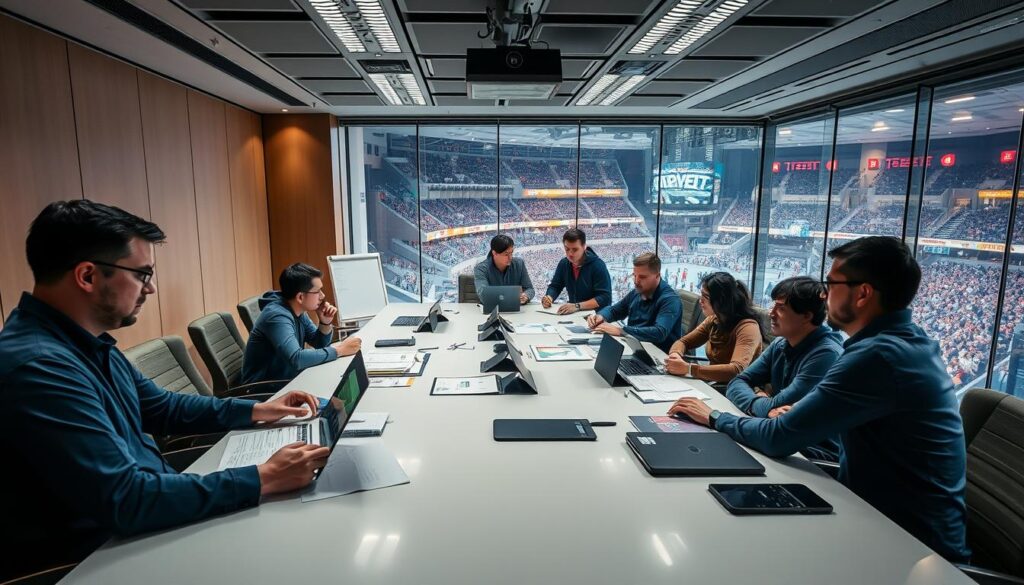
Event planning transforms managers into circus ringmasters juggling flaming chainsaws. You’re coordinating venues, organizing participating teams, and managing resources while pretending this is all normal human behavior. The best staff members operate like special ops teams – invisible until something goes wrong, then suddenly the most important people in the room.
Project management separates the pros from the streamers. Budgeting becomes a dark art where you balance player salaries against the cost of energy drinks that fuel all-night practice sessions. Setting timelines means knowing exactly when to panic about visa applications and when to start worrying about equipment shipping.
Here’s what separates championship-caliber logistics from amateur hour:
| Logistics Area | Amateur Approach | Professional Standard | Why It Matters |
|---|---|---|---|
| Travel Arrangements | Last-minute bookings | Contingency plans for all staff | Missed flight = missed tournament |
| Equipment Management | Hope nothing breaks | Backup peripherals for entire staff | No mouse, no victory |
| Internet Reliability | Hotel Wi-Fi prayer circle | Dedicated connections tested pre-event | Lag loses championships |
| Nutrition & Supplies | Whatever’s nearby | Custom energy drink stash for staff | Crashed players lose games |
The unsung heroes of esports logistics make magic happen while everyone else sleeps. They’re the reason practice facilities materialize in foreign cities and gaming rigs work when they absolutely must. These professionals anticipate every possible disaster because in esports, everything that can go wrong eventually will.
Smart managers partner with specialized esports logistics providers who understand that player performance depends on behind-the-scenes excellence. The best support staff operates like stagehands in a Broadway production – if you notice them working, something’s already wrong.
My hard-earned wisdom? Always pack extra keyboards. Always verify internet speeds personally. And never assume someone else handled the visas. The difference between hoisting trophies and going home early often comes down to which team’s staff remembered the power adapters.
Talent Development
Finding raw talent is like discovering a rare vinyl in a discount bin. The real magic happens when you transform that talent into something amazing. The modern team manager doesn’t just recruit stars; they build constellations.
I’ve seen talent development change a lot. It used to be just about shouting “git gud” in practice rooms. Now, it’s about sophisticated programs that would impress NASA engineers. Today, we know that mechanical skill is just the start. The real challenge is in the mind.
The psychological side is what makes a player great. Burnout is not something to be proud of; it’s a sign of poor management. Egos can be weaknesses that opponents use against you. A good team manager knows that building mental strength is as important as physical skill.
Modern development programs are quite advanced:
- Sports psychologists teach players to handle pressure well
- Nutritionists help improve brain function through diet
- Data analysts use gameplay data to help players improve
- Strategic coaches focus on the bigger picture
The table below shows how talent development has changed over time:
| Development Aspect | Traditional Approach | Modern Strategy | Impact on Performance |
|---|---|---|---|
| Skill Building | Practice alone | Structured drills with analytics | 35% faster improvement |
| Mental Training | “Toughen up” mentality | Sports psychology sessions | 42% better clutch performance |
| Physical Health | Energy drinks and pizza | Nutritionist-designed diets | 28% longer peak performance |
| Team Dynamics | Natural chemistry | Communication training | 51% fewer team conflicts |
| Strategic Development | Watch replays | Data-driven pattern analysis | 63% better adaptation |
The streaming economy adds a new layer of complexity. Players can earn a lot by entertaining fans, not just winning games. The team manager must make winning feel more rewarding than making money from content.
Great talent development is about boosting strengths and supporting weaknesses. The best managers create environments where talent grows and evolves in unexpected ways.
You’re not just managing players; you’re curating excellence. In today’s competitive world, that’s what separates champions from contenders.
How Managers Shape Success
The difference between a short-lived esports team and a lasting esports org often comes down to management. Good management knows that winning is short-lived, but building a strong foundation is forever. I’ve seen many talented teams fail because they lacked the support to keep going.
Managers in esports are more than just fans or schedulers. They are the ones who build the team’s culture and keep players motivated. They create systems that help teams succeed over and over again. They also make sure talent can grow and not just shine briefly.
It’s interesting to note that many managers come from outside traditional sports. They have gained valuable knowledge over time. This knowledge lets them solve problems in new and creative ways.
The best managers do more than just prepare for games. They build strong relationships with sponsors, even when the team is not winning. They also focus on mental health, knowing that esports athletes face unique challenges.
In an industry where careers can be short, good management is key. They help teams grow and last, even through tough times. They turn teams into professional operations that can handle ups and downs.
The manager’s role in a successful esports org is to build something lasting. They think about what happens after the excitement fades. And then, they build that future.
Steps to Start in Management
The journey from player to manager is complex. It’s like a strategy game where you need to master many skills. Many aspiring managers make a common mistake. They think being good at playing the game means they can manage it too.
Let’s look at the real steps. First, get some basic education. You don’t need an MBA from Harvard. But knowing basic business stuff is key. Things like contracts, marketing, and finance are important.
Next, dive into the world of esports. Join online groups and tournaments. But watch them with a manager’s eye. See how teams work, how events are run, and how partnerships are made. You’re not just playing; you’re learning about the business side.
Building your business and management skills is key. It’s not just about knowing the game. You need to understand people, money, and logistics. The best managers can negotiate contracts and analyze games.
Keeping up with trends is essential. Esports changes fast. What works today might not tomorrow. You need to stay ahead of the curve.
Networking is vital. But focus on quality over quantity. Building strong relationships with industry leaders can open doors to management roles.
Your reputation is your most valuable asset. Every action, every project, and every role matters. Show your value consistently, and you’ll get bigger roles.
| Entry Path | Key Advantages | Common Challenges | Success Rate |
|---|---|---|---|
| Former Player Transition | Game knowledge, player respect | Business skills gap | 35% |
| Business Background | Management fundamentals | Esports culture learning curve | 42% |
| Event Organization | Logistics experience, network | Team dynamics understanding | 38% |
| Community Leadership | Organic relationships | Professional structure adaptation | 31% |
The table shows there’s no one right way. The best managers mix different skills. They know both the business side and the game.
Start small, dream big, and remember: in esports management, your greatest asset is making others better. That’s the real goal.
Conclusion
The world of esports has grown from small basement tournaments to huge stadium events. The U.S. Bureau of Labor Statistics shows this growth is real. Entertainment and sports industries are expanding faster than usual.
Today, team managers are like chess grandmasters, handling multiple tasks at once. They need to be psychologists, data analysts, and crisis managers all in one. They don’t just plan schedules; they build teams from scratch.
Experts say there will be even more need for specialized skills in esports. The real question is, are you ready to help shape the future of esports? For those up for the challenge, strategic esports management education is your key to success. Let’s get started.