
Your stream’s chat window is more than just a sidebar. It’s the Roman Forum of your digital empire. Here, your broadcast can thrive or turn chaotic, like a dinner party with everyone speaking.
Today, we’ve moved beyond one-way broadcasts. 80% of viewers don’t just want to watch anymore. They want to contribute to the story. This is the heart of interactive streaming.
So, how do you manage this? It’s not about blocking everything. It’s about choosing the right moments. Think of it as picking out the best question from a sea of emojis, turning noise into meaningful conversation.
There’s a science behind this. When a viewer hears their name, it’s like a digital reward. This makes them feel more connected. Tools like StreamAlive’s AI help highlight these moments, making your live chat and comment overlays work for you.
Your chat is like a real-time focus group and a key to growing your audience. Let’s design this space with purpose.
Building Discords & Off-Stream Groups
Think of your live stream as a rock concert. It’s loud and flashy, with everyone screaming the same lyrics. But when the house lights come up, the real show begins.
Your Discord server is that backstage bar. It’s a place where your community gathers, not home or work. Here, loyalty starts to grow. Turning off the broadcast doesn’t mean the conversation dies. In fact, that’s when it gets interesting.
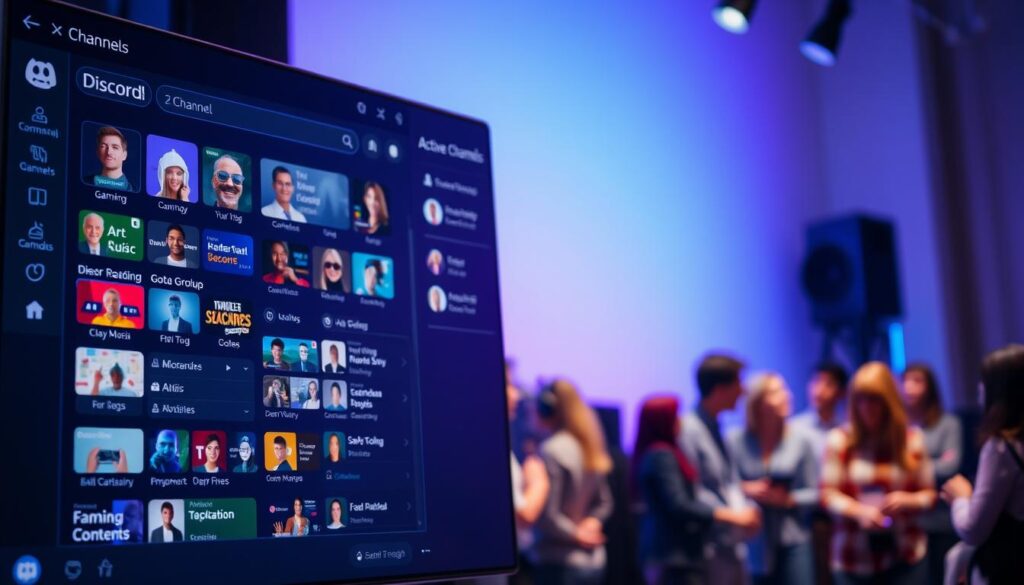
Platforms like Discord are more than chat apps. They’re the blueprint for your fandom’s society. Inside jokes grow into lore, and viewers form alliances. Your most dedicated followers become part of the community.
Streamers who nurture these spaces see big benefits. They keep viewers coming back and participating in streams.
To build a community hub that thrives, mix sociology with channel design. You want to encourage discussion without chaos. Aim for a thriving metropolis, with you as the mayor.
The Blueprint: Structuring Your Digital Metropolis
A ghost town Discord is worse than none at all. Structure is key. You need channels for clear purposes, guiding conversation.
| Channel Type | Purpose (The “Why”) | Activity Trigger | What It Builds |
|---|---|---|---|
| #stream-recap | A dedicated space for post-stream engagement. Drop that hilarious clip that didn’t make the broadcast cut. | Your stream ending. | Continuity & shared memory. |
| #strategy-talk | For the analysts. Host a voice chat about the latest game meta or debate tournament plays. | A major patch or a big live esports match. | Intellectual investment. |
| #off-topic-lounge | The digital water cooler. Let people talk about movies, music, or their day. | Always. This is the “family room.” | Personal bonds & the “closer community” feel. |
| #suggestions-box | A formal channel for feedback. It shows you listen and turns fans into co-creators. | When you ask “What should I play next?” | Ownership & loyalty. |
Being present is important. You can’t live in your Discord 24/7. But popping in for ten minutes a day makes a big difference. It’s like knowing the regulars at a bar.
This is where the exclusive “family” feeling comes from. It’s not about paywalls, but about shared space and interaction. When viewers see you engaging off-stream, they don’t just watch your next broadcast. They participate in it. They show up because they’re invested in the people in the chat, not just the person on screen.
Your goal is to create a space that runs on its own social momentum. You provide the framework, spark conversations, and then step back. That’s when you know your digital tavern is a success.
Mods & VIPs
If your chat is like a society, then moderators and VIPs are its nobility and civil service. They help manage the crowd and build a hierarchy of dedication. You’re not just hosting viewers; you’re creating a micro-nation with its own loyal class.
Your moderators are your Praetorian Guard. They keep your digital Rome in order, so you can focus on performing. Choosing them is a big decision. It’s not about who chats the most, but who best represents the community’s values.
Good moderators welcome newcomers, guide conversations, and create an inclusive environment. They make new followers feel seen. This is key to recognition.
Empowering moderators is a delicate task. Give them too little power, and they’re just decorations. Give them too much, and they might become tyrants. The goal is to give them clear guidelines and make them understand their role is to protect the community’s culture.
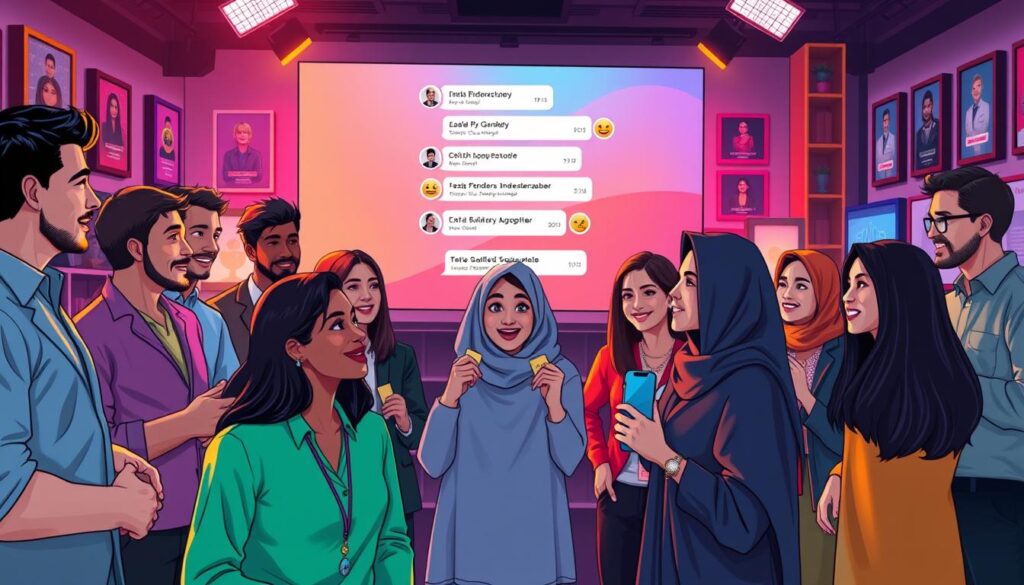
Then, there are the VIPs—your Patrician class. These are followers who’ve grown from casual viewers to patrons. They’re not just numbers; they’re individuals with their own stories.
Exclusive badges, custom emojis, and members-only channels are more than perks. They’re status symbols that fulfill a deep human need for belonging and distinction. It’s like having a digital velvet rope.
Creating VIP tiers that feel valuable is a challenge. A tier list that looks like a cash grab will be spotted quickly. The value must be in the experience and social connections.
Think beyond just giving out emotes. Consider:
- Named Recognition: A monthly shoutout, their name on a “Hall of Patrons” overlay, or a dedicated role in Discord.
- Co-Creation Access: Let them vote on a game you’ll play next or suggest topics for a stream segment.
- The “VIP Experience”: Offer occasional, intimate meet-and-greets, behind-the-scenes Q&As, or early access to content. This turns support into a tribal membership.
The power of this system is in its ladder of recognition. A new follower gets a welcome from a friendly mod. A consistent viewer earns a shoutout. A dedicated supporter unlocks a VIP badge. Each step acknowledges their contribution, making them feel part of the community.
Ultimately, your moderators and VIP tiers create a self-reinforcing ecosystem of loyalty. The mods keep the space welcoming, and the VIPs model the engagement that mods work to foster. You’re not just building an audience; you’re building a republic. And every republic needs its honored citizens and devoted guardians.
Events and Giveaways
Think of your stream’s infrastructure as a stage. An event is the show that makes the audience forget they’re even sitting in a theater. This is where true community building graduates from management to magic.
Your first rule is consistency. Being reliably on schedule is less about pleasing the Twitch algorithm and more about becoming a habit. It carves a slot in your viewers’ mental calendars, creating anticipation. This predictable rhythm makes the peaks you orchestrate—the special events—hit even harder.
Those peaks run on FOMO. The fear of missing out isn’t a dirty word; it’s the jet fuel for live content. A one-time collaboration or a themed marathon stream leverages this primal trigger. The event feels urgent because it is.
Modern platforms offer tools to turn viewers into co-creators. Use Twitch’s polls or YouTube’s live chat features to craft truly interactive events. Let the audience vote on the next game or trigger a sound effect. This transforms passive watching into active participation.
A giveaway should be a strategic ritual, not a random raffle. Frame it as a challenge that engages the whole chat. The goal isn’t just to give away a gaming mouse from Logitech or a Steam gift card. It’s to create a mini-story where the community itself is the protagonist.
This synergy extends to merchandise. A well-designed t-shirt from a service like Spring isn’t just revenue. It’s a uniform for your digital citizenry, a tangible token of belonging. Wearing it offline is a quiet boast about the interactive events they helped shape.
Ultimately, you’re not just creating content to be consumed. You’re engineering moments to be remembered. That’s the final, spectacular tier of community building.