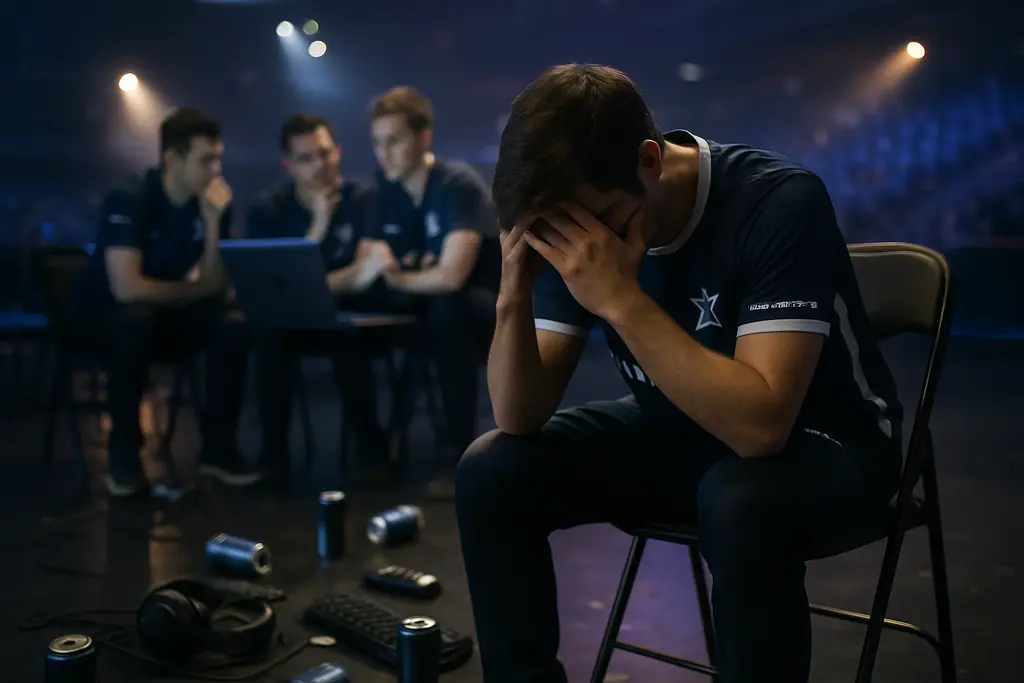
The Complexity Gaming closure on September 23, 2026, did not land like a routine team exit. It ended a 23-year esports brand, put a spotlight on debt-funded ownership, and gave other organizations a harsher case study than any panel talk about sustainability could offer. Founder Jason Lake announced the shutdown after the organization had already reduced its competitive footprint, including a withdrawal from Counter-Strike 2 in August 2025, as reported by Dot Esports.
For esports operators, the key lesson is not that history stopped mattering. Complexity had history. It had identity. It had a founder closely associated with the brand. The problem was that none of those traits solved the cash problem created by modern operating costs and acquisition debt. The shutdown showed how quickly a known organization can run out of viable options when sponsor demand, investor appetite, and roster spending stop lining up.
Complexity Gaming Closure And The Debt Problem
Why The Complexity Gaming Closure Happened
The clearest financial issue was the structure around the 2024 reacquisition. In March 2024, Lake and an investor group reacquired Complexity from GameSquare for $10.36 million. According to Insider Gaming, $9.61 million of that was funded through a seller-financed note rather than cash. That detail matters because it changes the shutdown from a simple operating-loss story into a debt-pressure story.
The decision to wind down the organization was made at the end of 2025 after a review of the company’s financial position and its inability to raise enough capital to pay off the seller-held note tied to that reacquisition. The Complexity Gaming closure therefore reflected two connected pressures: the expense of running a competitive esports organization and the burden of a transaction that required future financing to work.
The Seller Note Changed The Risk Profile
Seller financing can help a deal close when cash is limited, but it also leaves the buyer exposed if new investment does not arrive. In esports, that exposure is sharper because revenue timing can be uneven. Sponsorships, prize money, event slots, and content income do not always match payroll, travel, staff, and buyout demands. Complexity’s case showed how a brand can look active from the outside while the internal runway is already narrowing.
This is where other organizations should read the shutdown carefully. A debt-backed deal may look manageable during optimistic projections, but esports remains a market where many revenue streams are not guaranteed. If the plan depends on future capital, then the real question is not whether the brand has fans. It is whether the company can survive if that capital does not arrive on schedule.
Why CS2 Became The Stress Test
Tier-One Cost Without Enough Cushion
Complexity withdrew from Counter-Strike 2 in August 2025 because of the financial challenges tied to maintaining a tier-one competitive roster. That move now reads as an early warning sign rather than an isolated roster decision. Counter-Strike remains one of the most visible esports titles, but visibility alone does not make a team budget sustainable. Salaries, travel, staffing, and the pressure to stay competitive can make the top level expensive before an organization has secured matching revenue.
Within that frame, the Complexity Gaming closure raises a hard question for North American organizations: how many can realistically fund tier-one teams across major titles without relying on outside capital to cover gaps? The answer is not clear from the available record, and it would be irresponsible to pretend otherwise. What Complexity did show is that pulling back from a flagship title may slow losses, but it may not repair a capital structure already under strain.
Smaller Scale Was Not A Reset
After leaving CS2, Complexity continued at a smaller scale, including participation in the NA Revival Series and a Halo Infinite team. That reduction made sense as a survival attempt. It lowered the public competitive footprint and reduced some costs tied to top-tier Counter-Strike. Yet the organization still shut down on September 23, 2026, which suggests the smaller model did not create enough financial room to solve the broader debt and capital issue.
For teams considering similar pullbacks, the lesson is uncomfortable. Scaling down can buy time, but it is not the same as restructuring the business. If the largest obligation remains unresolved, fewer teams and fewer events may only delay the same outcome. That is especially relevant for organizations whose brand value was built through elite competition but whose current budgets no longer support that level.
Brand Equity Could Not Pay The Bills

A Legacy Name Still Needed Cash
Complexity had spent 23 years in esports before it ceased operations. The organization’s long presence gave the shutdown emotional weight, especially for fans who associated the name with North American Counter-Strike and multi-title competition. Still, the Complexity Gaming closure made one thing plain: legacy status does not clear debt, and community recognition does not replace operating capital.
Upon closure, Complexity’s intellectual property, including the brand name and logos, reverted back to GameSquare Holdings. That detail is significant because it separates the community memory of Complexity from control of the brand assets. The organization that fans followed stopped operating, while the IP returned to the company that previously owned it. In practical terms, any future use of the brand would depend on ownership decisions outside the shutdown-era team structure.
Community Trust Is Not A Balance Sheet
Esports audiences often treat long-running organizations as permanent fixtures, but the business side has become less forgiving. Sponsors want clearer value. Investors want cleaner paths to return. Teams still need to fund player payroll, content staff, coaches, analysts, travel, and competitive operations. A loyal audience helps, but it does not automatically translate into enough revenue to support expensive rosters.
That tension has also shaped creator-led strategy, where organizations lean harder on personalities and community attachment to reduce dependence on pure match results. We have covered that pressure in our analysis of how esports brand identity is being tested by creator audiences and tighter finances. Complexity’s shutdown sits in that same conversation, but with a more severe result: even a recognizable competitive brand could not bridge the gap between identity and solvency.
For readers interested in the broader competitive gaming landscape, it’s important to note the relevance of hardware and player culture alongside team news. Cooler Master Gaming, a related site in the same network, covers this adjacent side of the scene and explores the potential revenue streams beyond match-day performance. Visit Cooler Master Gaming to explore more.
What Complexity’s Exit Means For Esports Orgs
The Complexity Gaming closure should push esports organizations to reassess how much risk they are carrying in acquisition structures, roster spending, and investor-dependent plans. The shutdown did not prove that every organization is in danger, and the available facts do not support a broad claim that esports is collapsing. It did prove that a respected name can still fail if the financing model does not match the cost of competing.
The most immediate impact is psychological and strategic. Players, coaches, and staff lose one of the long-standing employers in North American esports. Sponsors and investors gain another cautionary example of how quickly a recognizable brand can reach the end of its runway. Event organizers also lose a familiar organization that had helped define parts of the competitive scene over two decades.
The more useful takeaway is discipline. Organizations that want to survive beyond the next funding cycle need to treat competitive ambition as a cost center that must be justified, not as proof of future value by itself. That means more scrutiny on debt, clearer expectations for sponsor revenue, and a willingness to walk away from titles where the math no longer works. Complexity’s end was not just a sad brand story. It was a warning that esports organizations can no longer assume that heritage, fandom, and visibility will carry a business model that capital markets no longer want to fund.