
My first try at building a digital community was a bit of a mess. It was like a hopeful, emoji-laden post from Twitch streamer “GG.” He said, “I’m looking to expand my Lemon8 & Twitch family—let’s connect!”
Then, OpenAI got funded and became worth $157 billion. That wasn’t just a feel-good moment. It was the result of smart networking and strategic partnerships.
Don’t treat making connections as just a feel-good thing. That’s how your project stays small. We need to think differently.
Your new goal is to be like Sam Altman in your field. It’s not about making friends. It’s about gathering information.
Find out who has the audience you want. See whose content works well with yours. This is about telling your story and analyzing networks.
Real collaborations come from shared goals, not just hashtags. Playing team-building games can help build trust. It turns a group into a strong team.
We’re moving from simple posts to serious plans. It’s time to build with purpose.
Planning Collaborative Streams
Creating a successful collaboration isn’t about a random Discord DM. It’s about using platforms designed for millions. Look at templates for huge gaming networks. One is for 15 million gamers, with real-time chat, tournaments, and guilds. Another is for 2.4 million players, linking characters across games for raids.
These aren’t just random successes. They are the result of planned, systemic collaboration. Your co-stream needs a solid foundation too.
Think of it as planning a heist movie. Everyone needs a role, a cue, and a clear exit plan. Most collaborations fail quietly before going live. They get lost in a sea of “what should we play?” questions. Your planning must be as precise as a SpaceX launch.

What makes a viral crossover different from a forgettable one? It’s the planning. You’re merging audiences, resources, and reputations. This is like starting a temporary startup. Define its mission from the start.
| Element | Failed Collab Plan | Successful Collab Blueprint |
|---|---|---|
| Core Concept | Vague: “Let’s play something.” | Thematic: “A retro cooking stream battle with GG, analyzing the ethics of AI-funded ventures.” |
| Role Assignment | Assumed or last-minute. | Defined: Who handles tech? Who promotes? Who hosts the main feed? |
| Tech & Logistics | Figuring out audio sync during the stream. | Tested workflows and tools like quick drop-in features are already integrated. |
| Success Metrics | Hope for “good vibes.” | Measurable goals: Subscriber cross-pollination, spike in raid traffic, shared clip velocity. |
Start with a shared theme. Is it a charity marathon? A deep dive into a niche game genre? The theme is your guide. It shapes the content, banter, and promotions. Without it, you’re just two people sharing a screen.
Next, assign roles with the precision of a film director. Who is the technical producer? Who manages the chat and interactions? Promotion is a joint effort. You must use both channels to build excitement. Coordinate your schedules like a broadcaster who uses guides to never miss a live event.
Define what winning looks like. Is it a 20% increase in followers for both channels? Is it hitting a specific donation goal? Plan with the efficiency of a VC evaluating a funding round. Because that’s what you’re doing. You’re investing time and social capital in a joint venture for clout.
A well-planned collaboration doesn’t stifle creativity. It sets the stage for it to shine. The chaos should be on-screen, not in your planning doc.
Hosting and Raiding
Mastering hosting and raiding turns your community strategy into action. This is the real deal. It’s where your plans meet people and energy.
Hosting is like your own talk show. You’re the host and the producer all at once. You make sure everyone has a good time. It needs quick thinking and a keen eye for what works.
Raiding is different. It’s like a flash mob. It’s the final step of building your community. You send your viewers to another creator’s channel.
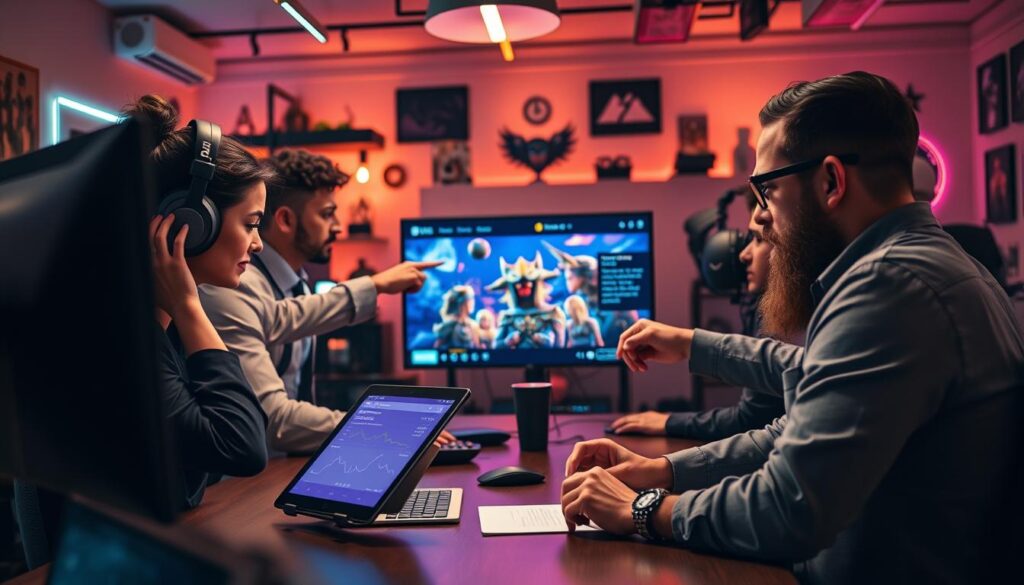
Raiding can be amazing. It’s like a surprise party with hundreds of viewers. But, a bad raid is just a few confused followers. It all depends on how you set it up.
Before you raid, you give a quick speech. “We’re going to [Streamer X] because they’re great at Y.” It’s not just dumping viewers. It’s giving them a special experience. “Then my chat filled theirs with jokes.” That’s a memory that brings people together.
This tactic has a big emotional impact. For more on its effects, check out whether Twitch raids actually help in the long run.
| Aspect | Hosting | Raiding |
|---|---|---|
| Core Objective | Curate and share another streamer’s content to your audience. | Directly move your live audience to another active channel. |
| Required Skillset | Analytical observation, conversational wit, seamless integration. | Strategic timing, charismatic leadership, clear communication. |
| Execution Vibe | Controlled, conversational, like a late-night show. | Chaotic, energetic, like a coordinated surprise attack. |
| Immediate Outcome | Provides passive viewing for your community. | Creates an active, shared experience for both communities. |
| Long-term Bonding Effect | Builds respect and showcases your taste in collaborators. | Creates a powerful, memorable story that deepens community ties. |
Hosting is about curation, while raiding is about power. One shows your analytical skills. The other shows your ability to unite people. Together, they make your viewers a traveling fan club.
Community Cross-Pollination
The real prize isn’t just one viral stream. It’s creating your own Silicon Valley of influence. This is about community cross-pollination. Your goal is to build a strong ecosystem, not just make guest appearances.
Don’t just focus on one other streamer. Aim for a bigger alliance. Start shared Discord servers or a podcast roundtable. Your aim is to connect your community with others, letting ideas and friendships grow.
This approach to networking is like powerful groups. Think of OpenAI’s backers—Microsoft, Nvidia, Thrive Capital. They’re not just investors; they’re a network of mutual interests. This is what you’re building for growth and resilience.
Tools like Twitch’s Guest Star feature help blend audiences. They help platforms fight the digital advertising downturn. You’re not just a creator. You’re a diplomat and urban planner for a digital city.
The real question isn’t “who will I collab with next?” It’s “what world are we building together?”