
The world of esports offers a vast array of career opportunities that extend far beyond professional gaming. While the spotlight often shines on pro players, the industry’s explosive growth has created a diverse ecosystem of roles spanning content creation, event management, marketing, coaching, and technical development. Whether you’re a passionate gamer looking to turn your hobby into a profession or a professional from another field seeking to leverage your skills in this dynamic industry, the career opportunities in esports are more accessible and varied than ever before.
Why Work in Esports?
Meet Alex, a lifelong gamer who spent years balancing a corporate job with late-night gaming sessions. Like many fans, Alex dreamed of turning this passion into a career but assumed the only path was becoming a professional player. After researching the industry, Alex discovered dozens of roles that leveraged both gaming knowledge and transferable professional skills, eventually landing a position in esports marketing that combined analytical expertise with gaming passion.
Alex’s story represents thousands of professionals now finding their place in this rapidly expanding industry. The appeal is clear: working in a field you’re passionate about while being part of an innovative, forward-thinking community.
Industry Growth and Future Outlook
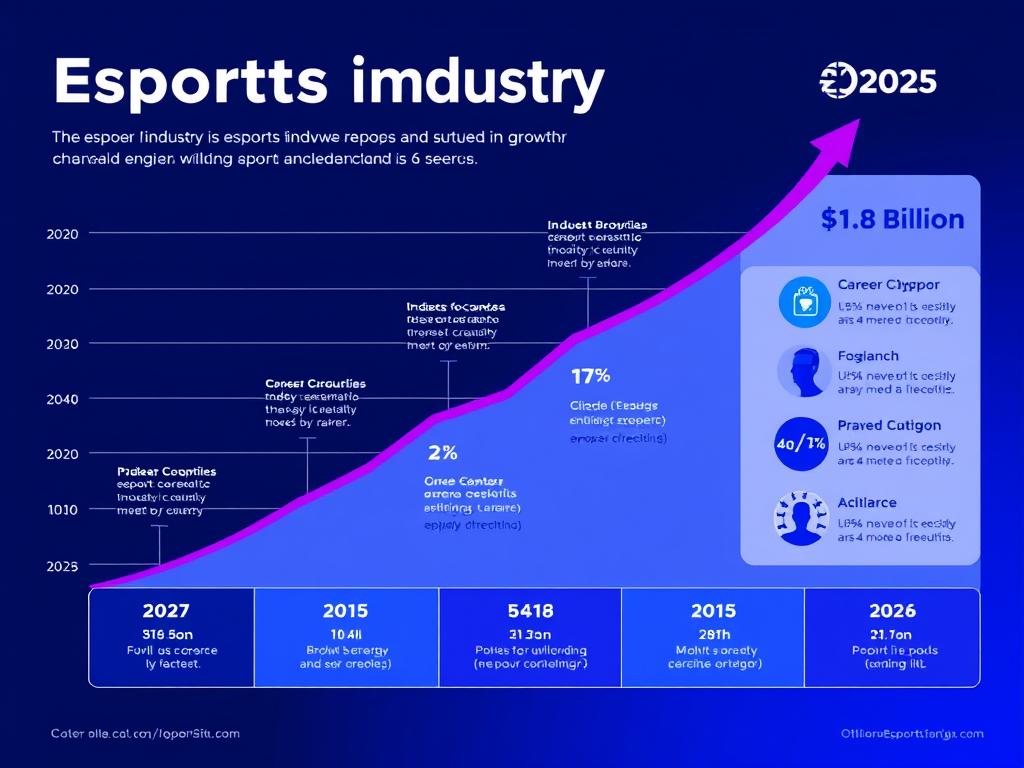
The global esports market is projected to reach $1.8 billion in revenue by 2025, with an annual growth rate exceeding 20%. This expansion is creating thousands of new positions across all sectors of the industry.
This growth isn’t limited to established markets. Emerging regions in Southeast Asia, Latin America, and the Middle East are experiencing even faster expansion, creating global opportunities for those willing to enter the field. As traditional sports organizations, media companies, and brands continue investing in esports, the job market is diversifying beyond gaming-specific companies.
Core Career Paths in Esports
The esports ecosystem offers diverse career paths that cater to various skill sets and interests. Whether you excel in performance, creativity, analysis, or technical expertise, there’s likely a role that matches your strengths.
Professional Player Pathway
While being a pro player remains the most visible career, it’s also the most competitive. Professional gamers typically earn between $50,000 to over $1 million annually through salaries, tournament winnings, and sponsorships. However, this path requires exceptional skill, dedication to practice (often 8-12 hours daily), and the mental resilience to perform under pressure.
“The pro player path isn’t just about skill—it’s about discipline, continuous improvement, and building your personal brand. Even top players are thinking about their post-competition careers from day one.”
The professional player track also includes roles like substitute players, practice partners, and academy team members who support main rosters while developing their skills.
Content Creation, Streaming, and Community Management
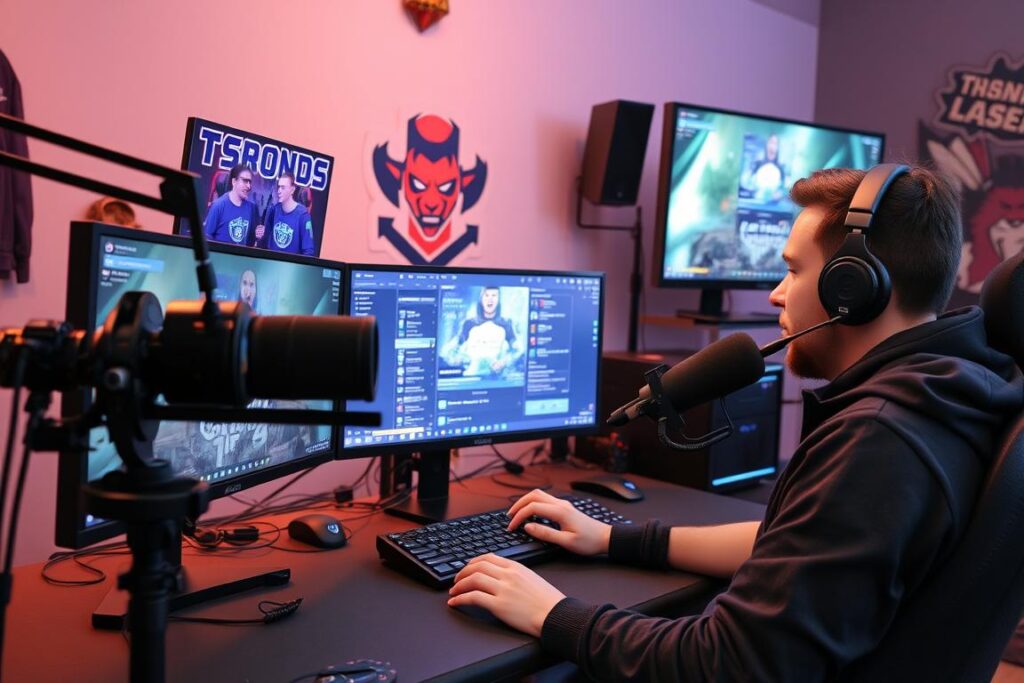
Content creators and streamers have become central figures in the esports ecosystem, building communities around their personalities and gameplay. This career path offers flexible entry points and scalable income potential:
- Streamers on platforms like Twitch and YouTube Gaming (earning $500-$100,000+ monthly)
- Video content creators specializing in tutorials, analysis, or entertainment
- Community managers who foster engagement between organizations and fans
- Social media managers creating and curating content across platforms
Success in these roles requires consistency, audience engagement skills, and adaptability to platform changes and trends.
Coaching, Analysis, and Team Management
Behind every successful esports team is a support structure of coaches, analysts, and managers who maximize player performance and handle business operations:
Coaching Staff
- Head coaches ($40,000-$100,000+)
- Assistant coaches specializing in strategy or specific game aspects
- Mental performance coaches focusing on psychological preparation
- Physical trainers addressing health and ergonomics
Management Team
- Team managers ($30,000-$70,000) handling logistics and player support
- Data analysts providing performance insights
- Talent scouts identifying promising players
- Team directors overseeing overall strategy and business development
These roles often attract former players, traditional sports professionals, and business specialists who understand both gaming and organizational management.
Event Production and Tournament Operations
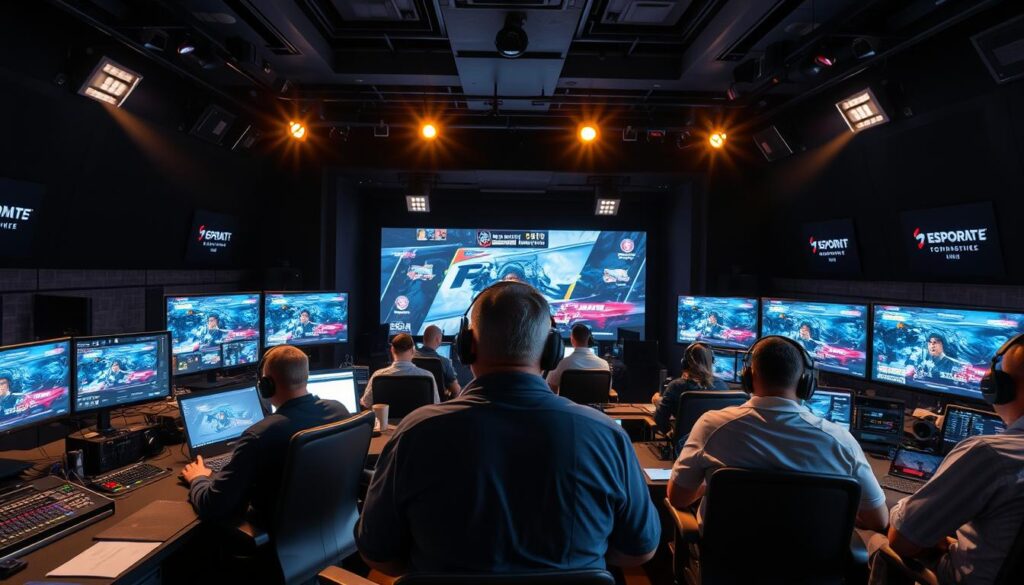
Esports events range from local competitions to international championships filling stadiums. This sector includes:
- Event managers ($40,000-$100,000) coordinating overall production
- Tournament administrators ensuring fair play and rule enforcement
- Production staff managing technical aspects of broadcasts
- Stage managers coordinating player transitions and audience experiences
- Logistics coordinators handling travel, accommodation, and equipment
These roles combine technical knowledge with event management expertise, often requiring experience with specific games and tournament formats.
Media, Journalism, and Marketing
The media and marketing ecosystem surrounding esports has expanded dramatically, creating opportunities for creative and communication professionals:
- Shoutcasters and commentators ($35,000-$150,000+) bringing matches to life
- Esports journalists covering industry news and player stories
- Content writers creating articles, guides, and promotional materials
- Marketing specialists ($40,000-$120,000) developing campaigns and partnerships
- PR professionals managing brand reputation and media relations
The marketing sector has seen particular growth as brands seek authentic ways to connect with gaming audiences. This includes partnerships with technology sponsors and analytics platforms, creating specialized roles in compliance and partnership management. As technology companies increasingly sponsor teams and tournaments, marketing professionals who understand both gaming culture and brand integration are in high demand.
Technical Roles in Esports
The technical infrastructure supporting esports creates opportunities for IT professionals, developers, and technical specialists:
- Game developers ($70,000-$150,000) creating and maintaining competitive titles
- Software engineers developing tournament platforms and competitive features
- UX/UI designers improving player and viewer experiences
- Broadcast engineers ensuring high-quality streaming production
- IT specialists ($40,000-$90,000) maintaining network infrastructure for events
- Data scientists analyzing gameplay patterns and viewer engagement
These technical roles often offer the highest salary potential in the industry, particularly for specialists with experience in both gaming and their technical discipline.
Training, Education & Internships
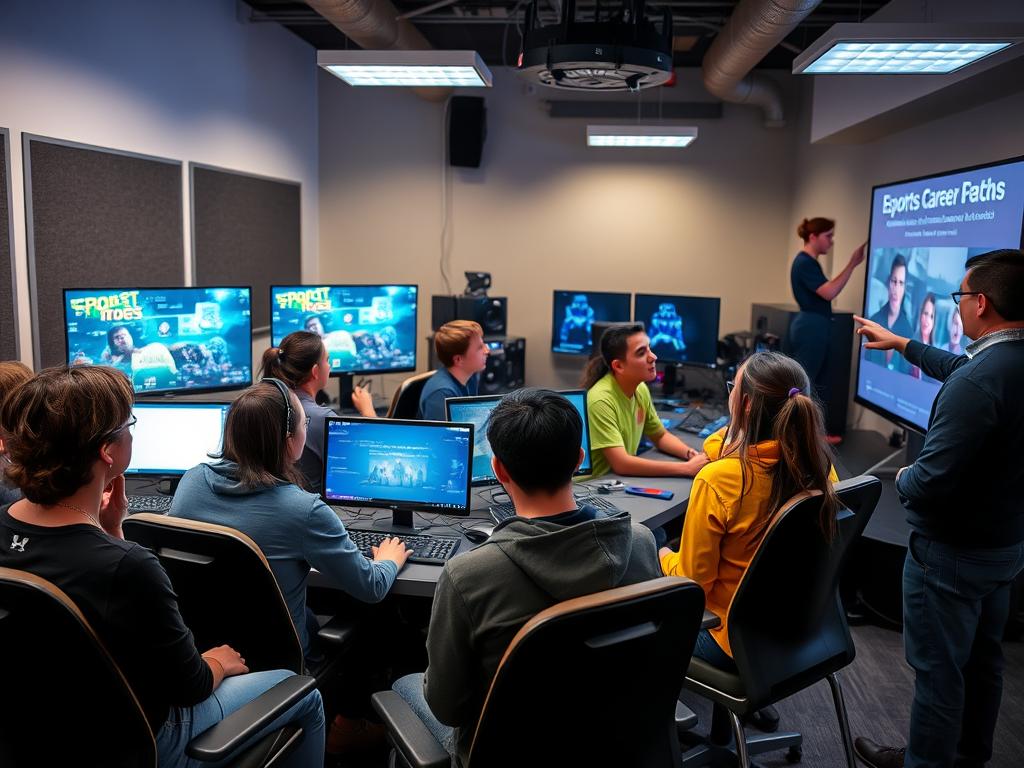
As the esports industry matures, formal education and structured entry paths are becoming increasingly common. Universities and specialized programs are developing curricula specifically designed for esports careers.
Esports Degrees and Educational Programs
Notable Esports Degree Programs
- Bachelor in Esports at University of North Dakota
- Esports Management at Becker College
- Esports Business at University of New Haven
- Game Design with Esports concentration at Full Sail University
- Esports Production at Staffordshire University
These programs typically combine business fundamentals, game design principles, event management, and marketing strategies specific to the esports ecosystem.
Beyond full degrees, many institutions offer certificates, workshops, and specialized courses focusing on specific aspects of the industry, from broadcasting to team management.
Internships and Entry-Level Opportunities
Internships remain one of the most effective pathways into the industry, offering hands-on experience and networking opportunities. Major organizations offering structured internship programs include:
Teams & Organizations
- Team Liquid
- Cloud9
- 100 Thieves
- FaZe Clan
Tournament Organizers
- ESL Gaming
- BLAST Premier
- PGL
- DreamHack
Game Publishers
- Riot Games
- Valve Corporation
- Activision Blizzard
- Epic Games
Entry-level positions often include roles like production assistants, social media coordinators, community moderators, and team assistants. These positions typically require demonstrable passion for esports and basic skills relevant to the role.
Ready to Start Your Esports Career Journey?
Download our comprehensive guide to breaking into the esports industry, featuring advice from professionals across all major sectors.
Real Life Success Stories
From Finance to Esports Business Development
“After eight years in investment banking, I leveraged my financial expertise to join an esports organization as their business development director. My background in structuring deals was perfect for negotiating sponsorships and partnerships, while my gaming knowledge helped me understand the unique value propositions in this space.”
Michael’s transition demonstrates how traditional business skills can transfer effectively to esports. His financial background provided credibility when working with sponsors, while his understanding of gaming culture allowed him to identify authentic partnership opportunities that resonated with fans.
The key to his successful transition was positioning his experience as directly relevant to the business challenges facing esports organizations—particularly their need for sustainable revenue models and strategic growth planning.

From Amateur Commentator to Broadcasting Star
Sarah began commentating on amateur tournaments while working as a teacher, uploading clips to YouTube and volunteering at local events. Her distinctive style and game knowledge caught the attention of regional tournament organizers, leading to paid opportunities.
“I started by commentating small online tournaments for free, just to build my portfolio. After six months of consistent work, I was invited to cast a regional qualifier. Two years later, I’m now a full-time shoutcaster working international events. The key was treating every small opportunity as a chance to refine my craft.”
Sarah’s journey highlights the importance of creating opportunities rather than waiting for them. By building a portfolio of work, consistently improving her skills, and networking within the community, she created a pathway into one of the most visible roles in esports.
Her success also demonstrates how transferable skills—in her case, public speaking and educational communication from teaching—can be repurposed for esports careers when combined with game knowledge and industry passion.
Tips for Breaking Into Esports
Breaking into the esports industry requires a strategic approach that combines skill development, networking, and personal branding. Industry professionals consistently highlight several key strategies for aspiring esports professionals.
Building Your Portfolio and Personal Brand
Content Creation Strategy
- Start a Twitch stream or YouTube channel focused on your area of expertise
- Create analytical content demonstrating your game knowledge
- Develop a consistent posting schedule to build audience
- Collaborate with other creators to expand your network
Portfolio Development
- Document projects, even volunteer work, with professional presentation
- Organize local tournaments or events to demonstrate management skills
- Create case studies of successful initiatives you’ve led
- Maintain an updated LinkedIn profile highlighting esports experience

Networking Effectively in Esports
Networking remains one of the most powerful tools for breaking into esports. The industry places high value on personal connections and community involvement.
“In esports, your network is everything. I’ve hired people I met at local tournaments, through Twitter interactions, and via Discord communities. Show up consistently, add value to conversations, and make yourself known for something specific.”
- Attend industry events like DreamHack, TwitchCon, and local tournaments
- Join Discord servers focused on your area of interest
- Participate in industry Twitter/X conversations using relevant hashtags
- Volunteer for community events to build relationships with organizers
- Reach out to professionals for informational interviews (with specific, thoughtful questions)
Developing Transferable Skills
Many successful esports professionals leverage skills developed in other industries or educational contexts. Identifying and highlighting these transferable skills can differentiate you from candidates who only offer gaming knowledge.
| Traditional Skill | Esports Application | Roles Where It’s Valuable |
| Project Management | Tournament organization, team management | Event Manager, Team Director |
| Data Analysis | Performance metrics, audience insights | Team Analyst, Marketing Specialist |
| Content Writing | Team announcements, game guides | Social Media Manager, Journalist |
| Video Production | Highlight reels, promotional content | Content Creator, Broadcast Producer |
| Sales Experience | Sponsorship acquisition, partnership development | Business Development, Sponsorship Manager |
The Future of Esports Careers
The esports industry continues to evolve rapidly, creating new career opportunities as technology advances and the ecosystem expands. Understanding emerging trends can help position yourself for future success.
Emerging Career Paths in Esports
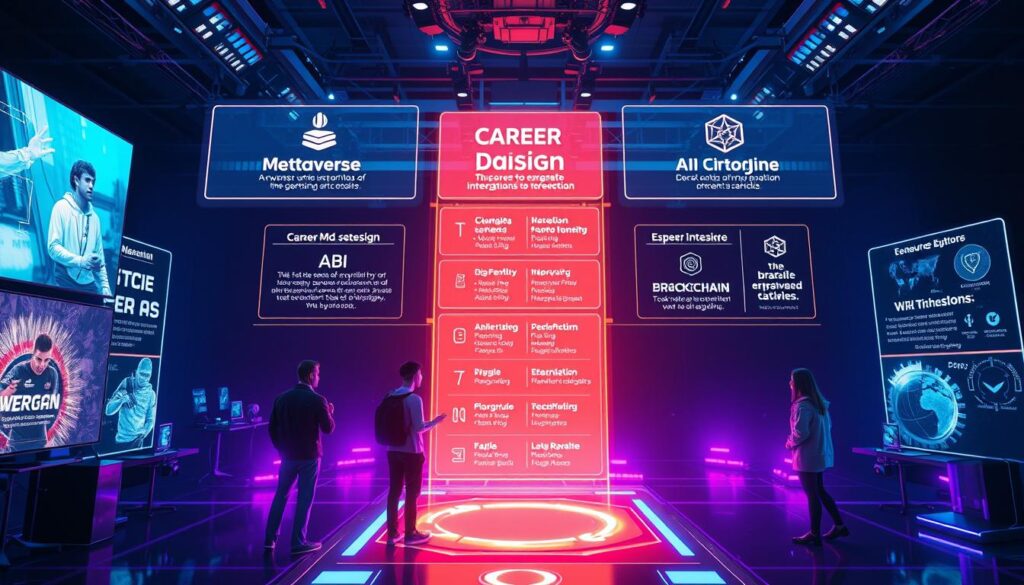
Metaverse Integration
As virtual worlds expand, new roles are emerging for professionals who can design and manage esports experiences in metaverse environments. This includes virtual event designers, digital asset managers, and metaverse community coordinators.
AI and Data Science
Advanced analytics is transforming how teams train and compete. Specialists in AI-driven performance analysis, predictive modeling, and machine learning applications for gameplay optimization are increasingly valuable.
Blockchain Gaming
The intersection of blockchain technology and competitive gaming is creating roles for specialists in tokenomics, digital asset management, and play-to-earn ecosystem development.
Evolving Business Models and Opportunities
The business landscape of esports is diversifying, creating specialized roles within emerging revenue streams:
- Fan engagement specialists developing new monetization models
- Licensing experts managing intellectual property across platforms
- Partnership managers specializing in non-endemic brand integration
- Compliance officers navigating the growing relationship between esports and esports analytics and fan engagement
- Player development coaches focusing on long-term career sustainability
As traditional sports organizations, media companies, and entertainment conglomerates continue investing in esports, hybrid roles that bridge these industries are becoming increasingly common and valuable.
“The most exciting opportunities in esports are at the intersection points—where gaming meets entertainment, where competition meets community, and where digital meets physical. The professionals who can navigate these boundaries will define the next evolution of the industry.”
Conclusion: Your Path Forward in Esports
The diverse career opportunities in esports extend far beyond professional play, offering pathways for individuals with varied skills, backgrounds, and interests. Whether you’re drawn to the creative aspects of content production, the analytical side of performance coaching, the business development of partnerships, or the technical challenges of game development, the expanding esports ecosystem has a place for your talents.
Success in this industry requires a combination of passion, specific skills, networking, and strategic positioning. By understanding the various career paths, developing relevant expertise, building a strong portfolio, and connecting with the community, you can transform your interest in gaming into a fulfilling professional journey.
Ready to Launch Your Esports Career?
Join our community of aspiring esports professionals. Get personalized career guidance, exclusive industry insights, and networking opportunities delivered directly to your inbox.
Frequently Asked Questions
Do I need to be good at games to work in esports?
While being skilled at games can be helpful for certain roles like coaching or analysis, many esports careers require completely different skill sets. Marketing specialists, event managers, content producers, and business development professionals can succeed with minimal gaming skill as long as they understand the industry, audience, and culture.
What education is most valuable for an esports career?
The ideal education depends on your target role. Specialized esports degrees are emerging, but traditional degrees in business, marketing, communications, computer science, or event management remain highly valuable. Supplementing formal education with industry-specific experience and certifications often provides the best combination.
How stable are careers in the esports industry?
While the industry continues to grow, individual organizations may face volatility. Professionals with transferable skills and diverse experience tend to have the most stable careers, as they can adapt to changes within the ecosystem. Roles at established companies like game publishers, major tournament organizers, and diversified esports organizations typically offer greater stability than positions at newer teams or startups.
What’s the typical salary range for esports jobs?
Salaries vary widely based on role, experience, and organization. Entry-level positions typically range from ,000-,000, mid-level roles from ,000-0,000, and senior positions or specialized roles can exceed 0,000-0,000. Technical roles and business development positions often command the highest salaries, while content creation income can scale dramatically based on audience size and engagement.