
Since its launch in 2020, VALORANT has rapidly established itself as one of the most exciting esports titles globally. The VALORANT professional circuit has evolved into a sophisticated ecosystem that attracts millions of viewers and showcases the world’s most talented tactical shooter players. This comprehensive guide breaks down everything you need to know about competitive VALORANT in 2024, from the structure of tournaments to the dominant teams and emerging trends shaping the future of the game.
Introduction to VALORANT’s Pro Scene
How Riot Built VALORANT for Esports
Riot Games designed VALORANT with competitive play at its core. Drawing from their decade of experience with League of Legends esports, Riot created a tactical shooter that balances mechanical skill with strategic depth. The developer implemented a 128-tick server infrastructure from day one, built robust anti-cheat systems, and designed maps specifically for competitive balance. This foundation has allowed the VALORANT professional circuit to flourish with minimal technical issues that often plague newer esports titles.
Esports Appeal for Fans
VALORANT’s appeal as a spectator esport comes from its accessibility combined with high-skill ceiling gameplay. The agent-based abilities create visually distinct moments that are easy to follow, while the round-based format provides natural breaks for analysis. For fans, the VALORANT Champions Tour offers regular high-stakes matches featuring recognizable teams and personalities. The game’s growing viewership demonstrates how Riot has successfully created an esport that appeals to both hardcore FPS enthusiasts and casual viewers alike.
Understanding the VALORANT Champions Tour (VCT)
Structure of VCT (Stages, Masters, Champions)
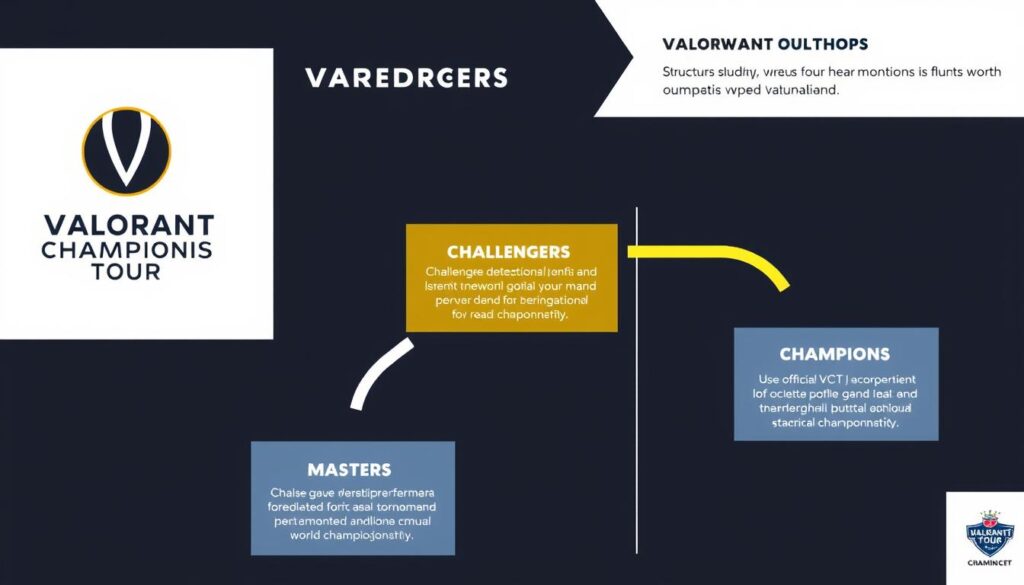
The VALORANT Champions Tour forms the backbone of the VALORANT professional circuit, operating on a three-tiered competitive structure:
VCT Structure Breakdown
- Challengers: Regional competitions where teams compete within their local territories (Americas, EMEA, Pacific, China)
- Masters: International tournaments held twice yearly where top teams from each region compete for Championship Points
- Champions: The pinnacle event of the year featuring the 16 best teams globally competing for the world championship title
Teams accumulate Championship Points throughout the season via their performance in Masters events. These points determine qualification for the Champions event, where one team will be crowned the global VALORANT champion. The 2024 season began with the VCT Kick-Off Tournament in January, setting the stage for seven major tournaments throughout the year.
Tier 1 vs. Tier 2 Circuits
The VALORANT competitive ecosystem is divided into multiple tiers:
| Tier | Competitions | Team Structure | Prize Pools |
| Tier 1 | VCT International Leagues | Franchised/Partner Teams | $500,000-$2,250,000 |
| Tier 2 | Challengers Leagues | Open Qualification | $50,000-$150,000 |
| Tier 3 | Premier/Third-Party Events | Open Circuit | $1,000-$50,000 |
The path from amateur to professional play follows a clear progression. Players begin in Premier mode’s division-based matchmaking system, with six divisions: Open, Intermediate, Advanced, Elite, Contender, and Invite. By excelling in these divisions, teams can qualify for Challengers leagues and potentially be selected by Riot Games to compete in the VCT.
Inclusion Efforts (Game Changers, All-Female Leagues)
Riot Games has made significant strides in creating a more inclusive competitive environment through the VCT Game Changers program. This initiative provides a platform for women and marginalized genders to showcase their talents through dedicated tournaments.
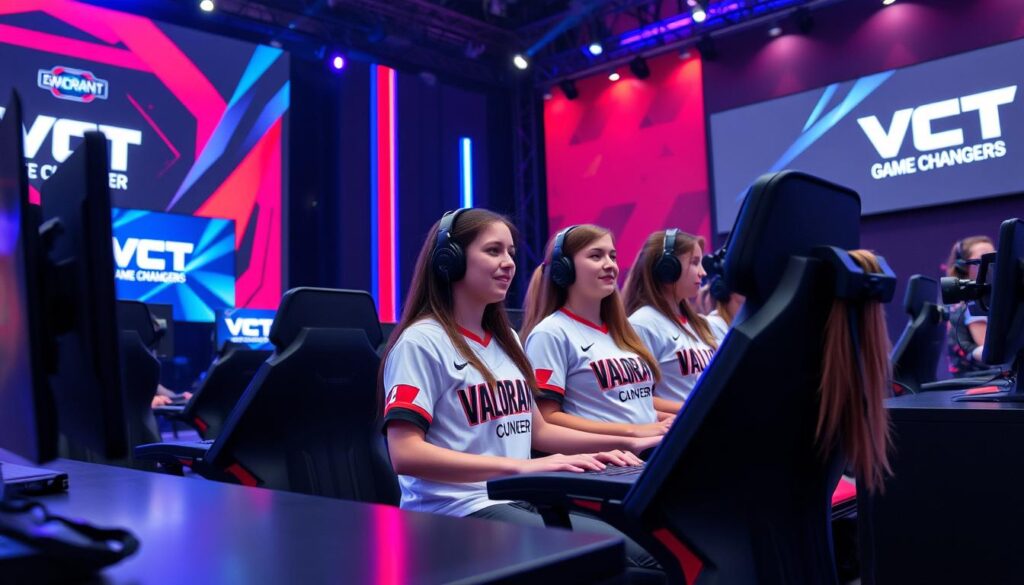
Game Changers has grown substantially since its introduction, with regional tournaments leading to the highly anticipated Game Changers World Championship. Teams like G2 Gozen, Cloud9 White, and Team Liquid Brazil have become powerhouses in this circuit, helping to diversify the competitive VALORANT landscape and create new pathways for underrepresented players.
Major Teams & Regional Powerhouses
Overview of Dominant Teams and Regions
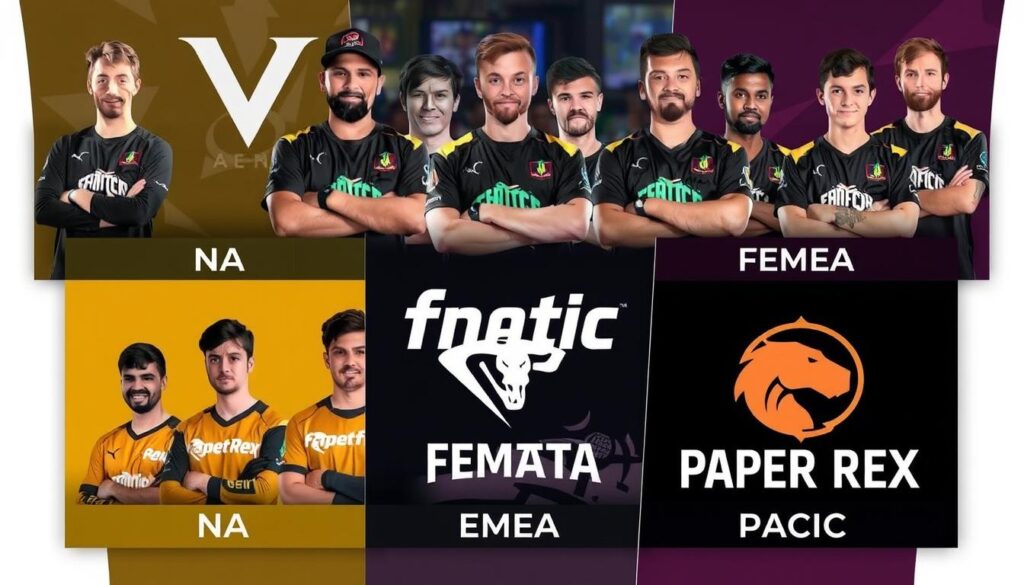
The VALORANT professional circuit features distinct regional powerhouses, each with their unique playstyles and strategies:
| Region | Top Teams | Playstyle Characteristics |
| Americas | Sentinels, LOUD, NRG, Cloud9 | Aggressive, individual skill-focused |
| EMEA | Fnatic, Team Liquid, Karmine Corp, Natus Vincere | Tactical, utility-focused strategies |
| Pacific | Paper Rex, DRX, Gen.G, ZETA DIVISION | Fast-paced, innovative compositions |
| China | EDward Gaming, FunPlus Phoenix, Bilibili Gaming | Disciplined, methodical execution |
Famous Players & Rising Stars
The competitive VALORANT scene features established stars and emerging talents who continue to push the boundaries of what’s possible in the game:
Established Stars
- TenZ (Sentinels) – Known for incredible aim and reflexes
- Boaster (Fnatic) – Strategic IGL with creative tactics
- aspas (LOUD) – Mechanical prodigy with clutch performances
- Jinggg (Paper Rex) – Aggressive entry fragger with highlight-reel plays
Rising Talents
- Demon1 (NRG) – Young talent with exceptional Chamber play
- Qpert (Karmine Corp) – Emerging controller specialist
- Rb (DRX) – Versatile flex player with growing reputation
- ZmjjKK (EDward Gaming) – Chinese star making waves internationally
Behind-the-Scenes with Team Management
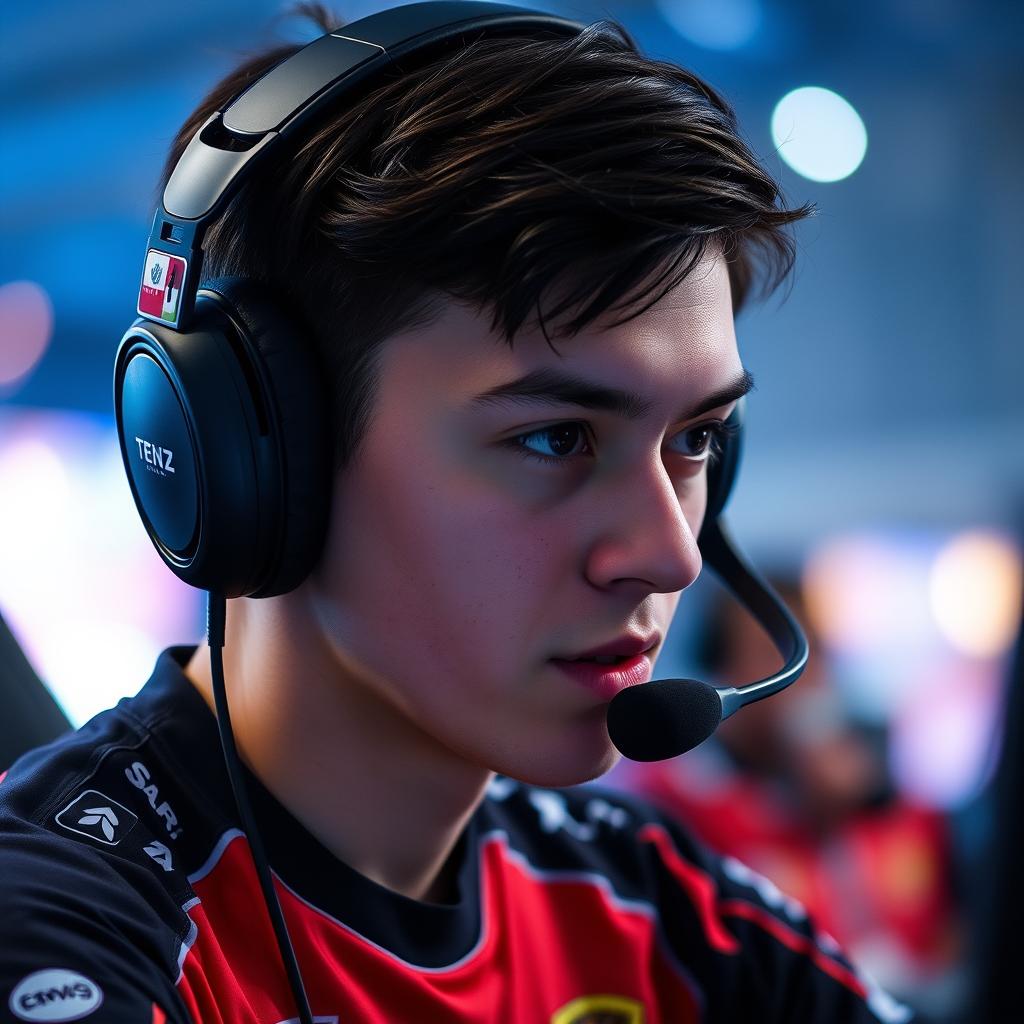
Professional VALORANT teams operate with sophisticated support structures. Beyond the five players competing, organizations typically employ coaches, analysts, sports psychologists, and dedicated content teams. The franchising model adopted by Riot Games has encouraged long-term investment in team infrastructure, with organizations like 100 Thieves, Team Liquid, and Fnatic building dedicated training facilities for their VALORANT rosters.
Teams typically practice (“scrim”) against other professional teams for 6-8 hours daily, with additional time dedicated to VOD review, strategy development, and individual skill training. This professional approach has significantly raised the competitive standard across all regions of the VALORANT professional circuit.
Tournament Life & Viewing Experience
How Events are Produced and Broadcast
VALORANT esports events feature sophisticated production values that rival traditional sports broadcasts. Riot Games and their production partners utilize multiple camera angles, real-time statistics, and augmented reality graphics to enhance the viewing experience. Commentary teams typically include play-by-play casters who narrate the action and analytical casters who break down strategies and player decisions.
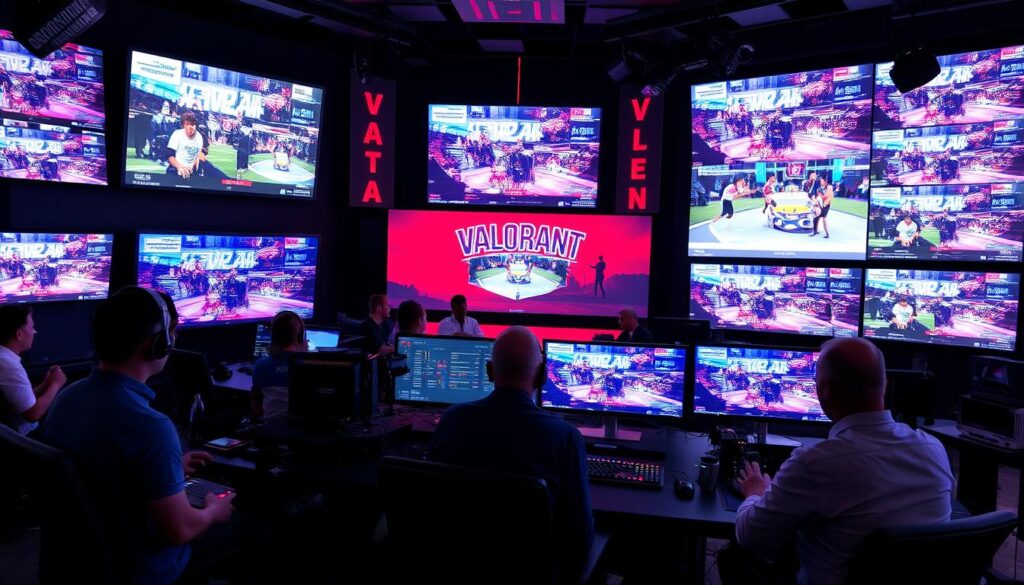
International events like Masters and Champions are produced with multilingual broadcasts across various platforms. The production quality has been a significant factor in attracting and retaining viewers who might be new to esports.
Fan Engagement and Rewards
Riot Games has implemented several initiatives to enhance viewer engagement during VALORANT tournaments:
- Drops Program: Viewers can earn in-game items by watching official broadcasts
- Pick’Em Challenges: Fans predict tournament outcomes to earn points and rewards
- Co-Streaming: Popular content creators can provide alternative commentary
- VCT Companion App: Mobile application for schedules, stats, and interactive features
Enhance Your VALORANT Viewing Experience
Many fans are discovering exciting new ways to engage with VALORANT tournaments beyond just watching. Companion apps and fantasy platforms provide real-time statistics on matches, special promotions for major events, and interactive prediction features. Leading esports platforms have embraced fan engagement, creating dedicated sections for VALORANT tournaments with comprehensive analytics and interactive features.
Explore VALORANT Fan Engagement
*Check platform terms and conditions.
Streaming Platforms & Must-Watch Matches
VALORANT esports content is primarily distributed through Twitch and YouTube, with additional platforms like Facebook, DouYu, Huya, and Bilibili serving specific regions. The official VALORANT Esports channels consistently attract hundreds of thousands of concurrent viewers for major tournaments.

For the ultimate viewing experience, companion apps and analytics sites often provide comprehensive match statistics alongside their streams, giving viewers deeper insights into player performance and team strategies. These platforms have become increasingly popular among dedicated fans looking to enhance their engagement with the VALORANT professional circuit.
Must-Watch Annual VALORANT Events:
- VCT Masters (March and June)
- VCT Champions (August)
- Game Changers Championship (November)
- Challengers Ascension (September)
Hot Topics & Future of VALORANT Esports
New Formats, Regional Merges, Rule Changes
The VALORANT competitive ecosystem continues to evolve as Riot Games refines the structure based on feedback and performance data. Recent developments include:
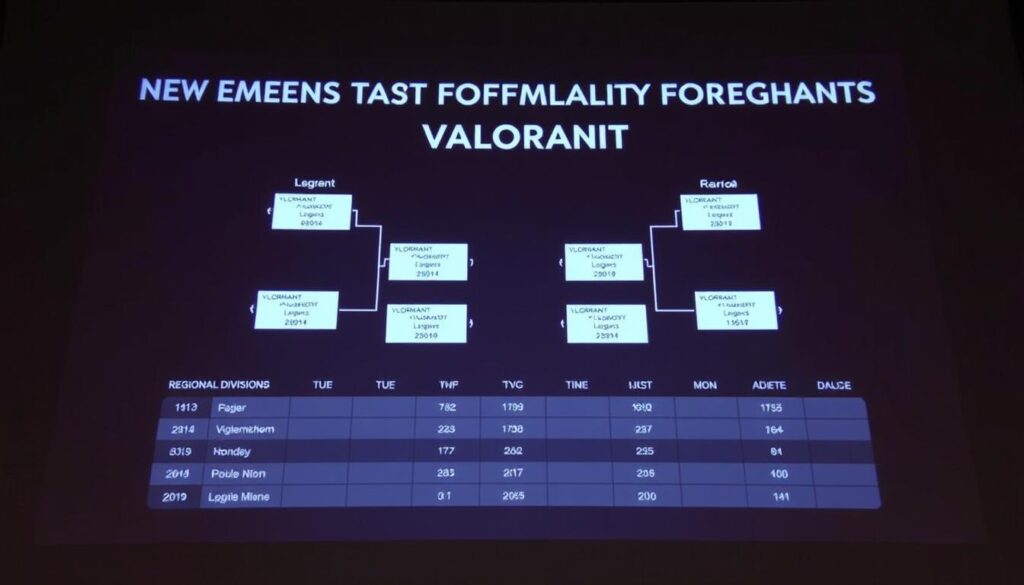
- Premier Mode Integration: Creating a clearer path from amateur to professional play
- China’s Inclusion: The addition of Chinese teams to international competition
- Expanded International Events: More cross-regional play opportunities
- Format Standardization: Consistent tournament structures across regions
The introduction of the Invite Division above Contender in Premier mode represents a significant step in connecting in-game competition directly to the professional circuit. Teams placing in the top 32 of Contender Division standings can now earn promotion to this new division, with the top two teams from each zone having the opportunity to qualify for Challengers Leagues.
Prize Pools, Sponsorship and Monetization
The financial ecosystem around VALORANT esports has grown substantially since its inception:
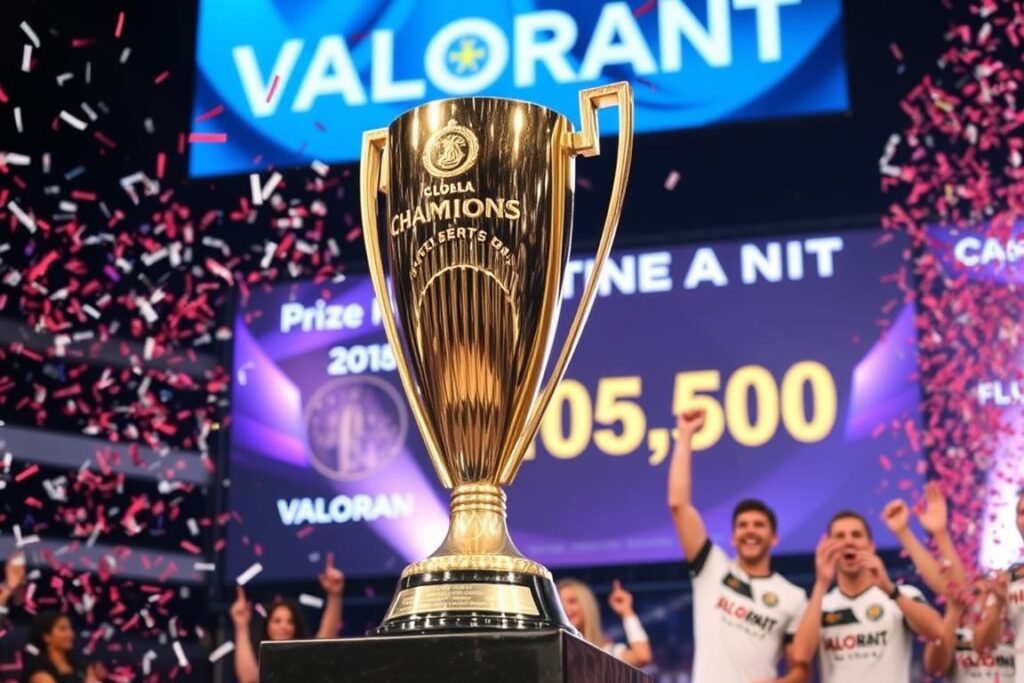
| Year | Total Prize Money | Champions Prize Pool | Peak Viewership |
| 2021 | $4.5 million | $1 million | 1.08 million |
| 2022 | $7.3 million | $1.5 million | 1.5 million |
| 2023 | $9.5 million | $2.25 million | 1.78 million |
| 2024 (projected) | $10+ million | $2.5 million | 2+ million |
Unlike some other esports, VALORANT maintains strict sponsorship policies, rejecting gambling and cryptocurrency sponsors. This approach has attracted more mainstream brands to the ecosystem, including technology companies, food and beverage brands, and automotive manufacturers.
Upcoming Events: What Not to Miss
The remainder of the 2024 VALORANT competitive calendar features several must-watch events:
Key Upcoming VALORANT Events
- VCT Masters Shanghai (May) – International competition featuring top teams from all regions
- VCT Champions 2024 (August) – The world championship event with 16 qualified teams
- Challengers Ascension (September) – Where Challenger teams compete for promotion to international leagues
- Game Changers Championship (November) – The pinnacle event for women’s VALORANT competition
Conclusion: Why VALORANT’s Circuit is Winning the Esports Race
In just a few years, the VALORANT professional circuit has established itself as one of the most robust and exciting esports ecosystems globally. Riot Games’ thoughtful approach to competitive integrity, accessibility, and inclusivity has created a sustainable structure that benefits players, organizations, and fans alike.
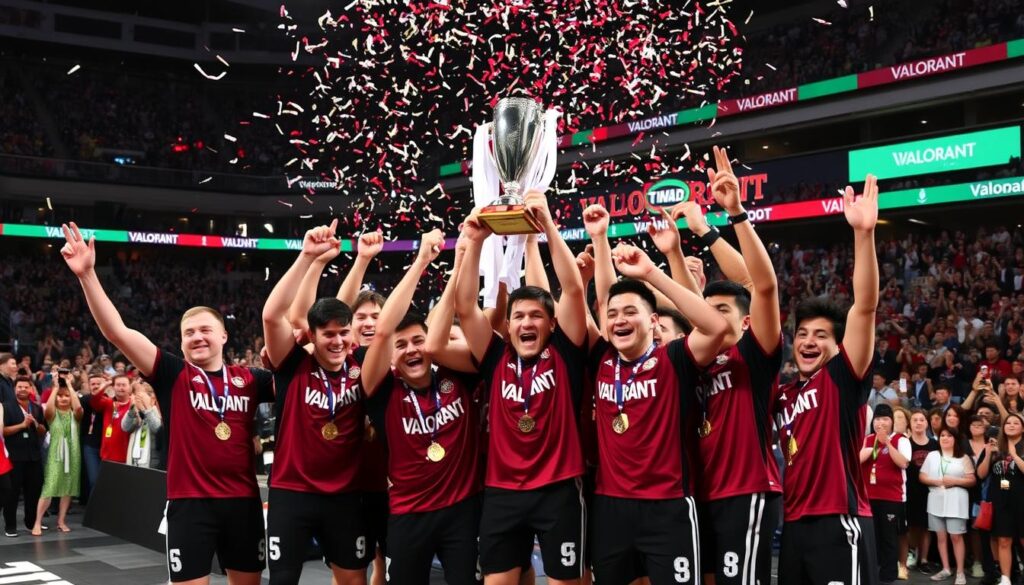
The clear path from amateur to professional play through Premier mode, combined with the franchise model for established organizations, creates a balanced ecosystem that fosters both stability and new talent development. As viewership continues to grow and new regions like China become fully integrated into international competition, VALORANT’s position as a premier global esport appears secure for years to come.
Whether you’re a casual viewer or dedicated fan, the VALORANT Champions Tour offers compelling storylines, high-level gameplay, and production values that rival traditional sports. The future looks bright for this rapidly evolving esport as it continues to break viewership records and attract new audiences worldwide.