
When millions tune in to watch their favorite teams battle in dazzling arenas, few realize the massive operation unfolding behind the curtain. Major esports tournaments represent the pinnacle of competitive gaming, but they’re also marvels of event planning, technical precision, and logistical wizardry. For every moment of glory on screen, hundreds of professionals work tirelessly to create seamless experiences. Let’s pull back the curtain and explore the fascinating world of esports production and tournament logistics that fans rarely get to see.
The complex production setup behind a major esports tournament stage
Planning a Major Esports Event: The Months Before
Major esports tournaments don’t materialize overnight. The planning process typically begins 6-12 months before the event date, involving dozens of stakeholders and countless decisions. Tournament organizers must secure venues, coordinate with teams, arrange travel logistics, and build relationships with sponsors long before a single player arrives on site.
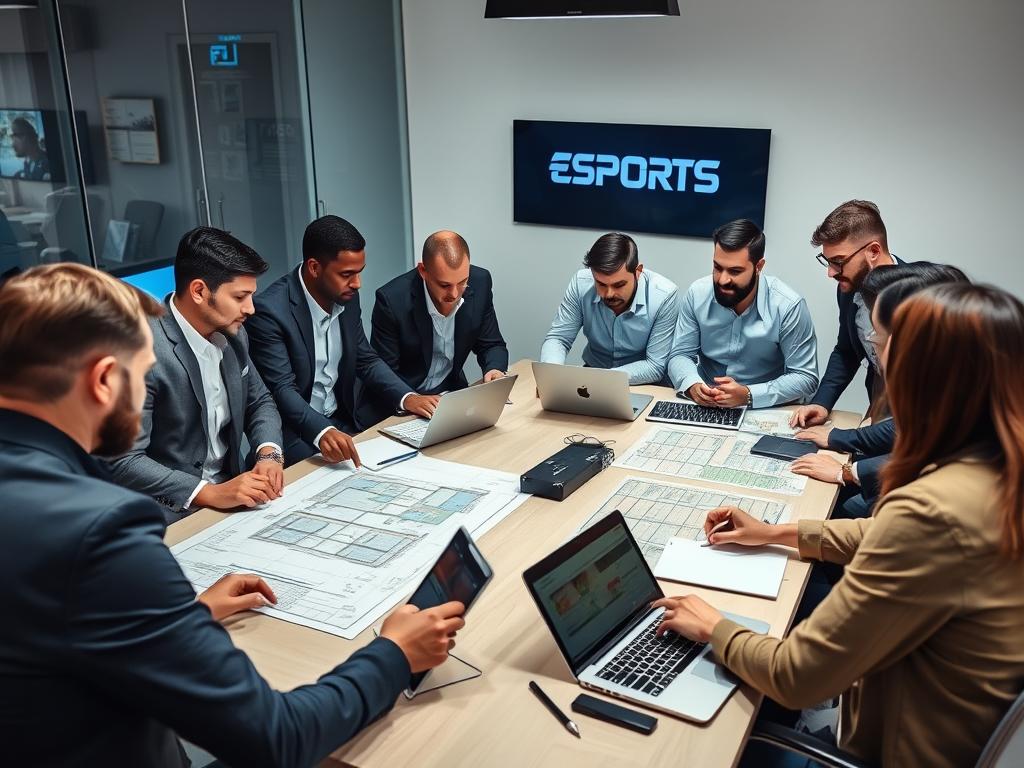
Event planners reviewing venue layouts and production requirements
The budget for premier tournaments often reaches into the millions, with costs spanning venue rental, prize pools, staff salaries, equipment, marketing, and more. Organizers must balance financial constraints while delivering an experience that meets the expectations of players, sponsors, and fans alike.
Key Planning Milestones
- Venue selection and contract negotiation (6-12 months before)
- Initial sponsor outreach and partnership agreements (6-8 months before)
- Team qualification structure finalization (4-6 months before)
- Technical infrastructure planning (3-5 months before)
- Talent hiring (commentators, hosts, analysts) (2-4 months before)
- Marketing campaign launch (2-3 months before)
- Final production schedule approval (1 month before)
“The planning process is like building a small city that only exists for a weekend,” explains Sarah Chen, event director for several major tournaments. “Every department from production to player relations to security needs to work in perfect harmony, and that harmony doesn’t happen by accident.”
Venue and Stage Production: Designing the Experience
The physical transformation of a venue into an esports arena is a remarkable feat of design and engineering. Stage setup for major tournaments often begins 3-5 days before the event, with crews working around the clock to build custom structures, install lighting systems, and test audio equipment.
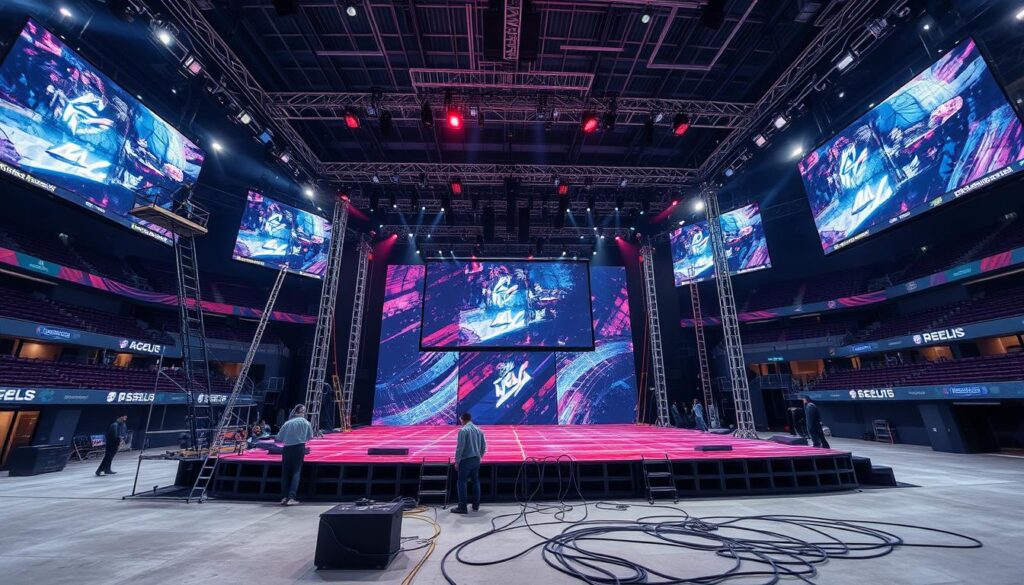
The multi-day process of transforming an empty venue into an esports arena
Modern esports stages feature elaborate LED displays, dynamic lighting systems, and custom-built player booths designed to minimize sound interference while maximizing visibility for the audience. The stage design must balance aesthetic appeal with practical considerations like player comfort, camera positioning, and audience sightlines.
The Invisible Infrastructure
Beyond what fans can see, venues require extensive behind-the-scenes infrastructure. Tournament organizers must establish reliable power systems with multiple backups, create dedicated network environments isolated from public internet, and build temporary spaces for teams, talent, and production staff.
Player Areas
Teams require private warm-up rooms equipped with practice stations identical to the main stage setup. These spaces allow players to prepare strategies and adjust to tournament peripherals before their matches. Many top tournaments also provide dedicated lounges where players can relax, eat, and decompress between games.
Broadcast Zones
The broadcast compound houses the technical heart of the production. This area contains the main control room, replay systems, graphics stations, audio mixing consoles, and engineering racks. Directors, producers, and technical directors work side-by-side to coordinate the dozens of video and audio feeds that create the final broadcast.
The Teams: Casters, Observers, and Production Crew
While players take center stage, hundreds of professionals work behind the scenes to create the broadcast experience. A typical tier-one tournament production team includes 80-150 people across multiple specialized departments, each playing a crucial role in the event’s success.
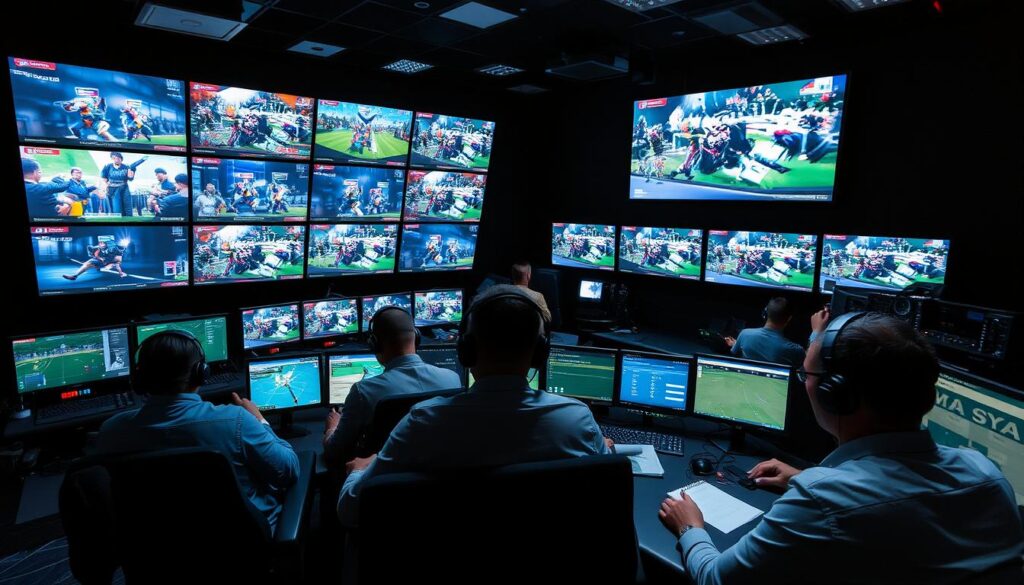
The production control room coordinating dozens of feeds during live broadcast
Key Production Roles
Broadcast Talent
Commentators (casters), hosts, analysts, and interviewers form the public face of the broadcast. These professionals combine deep game knowledge with performance skills to inform and entertain viewers. Many spend hours researching teams and preparing storylines before each broadcast day.
Observers
The unsung heroes of esports broadcasts, observers control the in-game camera, deciding what viewers see during matches. Expert observers anticipate action and capture key moments while maintaining a coherent visual narrative. In fast-paced games, this requires intimate knowledge of gameplay mechanics and player tendencies.
Technical Directors
Technical directors orchestrate the visual elements of the broadcast, calling camera cuts, managing transitions, and ensuring the technical quality of the stream. They work closely with producers to execute the creative vision while troubleshooting any issues that arise during live production.
For those interested in esports careers, the industry offers diverse pathways beyond professional play. Production roles often provide more stable employment and longer career trajectories than competing, with opportunities spanning technical operation, creative direction, and talent positions.
Technical Setups: Gaming Gear, Network, and Broadcast
The technical infrastructure behind major tournaments represents one of the most complex aspects of esports production. Events must maintain flawless performance across dozens of gaming systems while simultaneously managing broadcast equipment and network security.
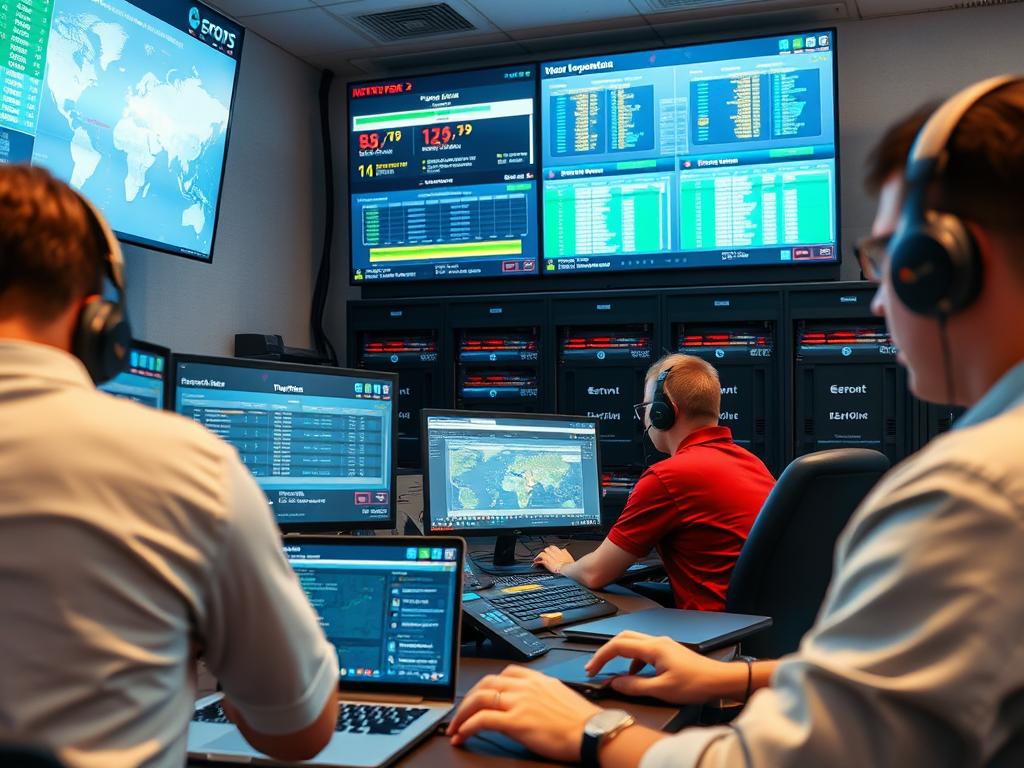
IT professionals monitoring network performance during tournament play
The Network Challenge
Network stability represents perhaps the greatest technical challenge in esports events. Tournament organizers typically build dedicated local networks isolated from public internet, with redundant connections to game servers. Many events employ specialized networking teams who monitor traffic in real-time and can respond instantly to connectivity issues.
“We’re essentially building a mission-critical network from scratch in a temporary location. There’s zero margin for error when millions are watching and prize money is on the line.”
Equipment Standardization
Competitive integrity demands that all players compete on identical hardware. Tournament organizers provide standardized gaming PCs with precisely matched components and settings. Players typically bring their own peripherals (keyboards, mice, mousepads), which undergo inspection to prevent cheating through modified hardware.
When technical difficulties occur—and they inevitably do—dedicated technical staff must resolve issues quickly to minimize disruption. Many tournaments employ “competition pauses” that allow technicians to address problems while maintaining competitive fairness.
Player Perspective: Life Backstage and Routines
For professional players, tournaments represent the culmination of thousands of practice hours. Their tournament experience extends far beyond the moments fans see on broadcast, with structured routines designed to maximize performance under pressure.
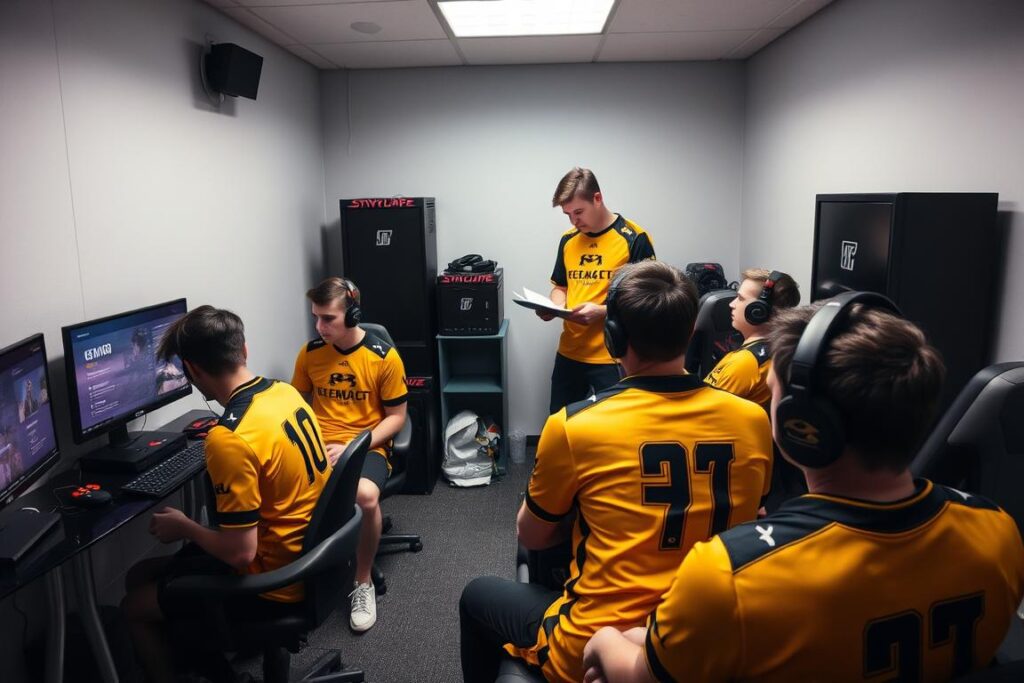
A team prepares strategies in their private warm-up room before a crucial match
A Day in Tournament Life
Players typically arrive hours before their scheduled matches. A standard tournament day might include team strategy meetings, individual warm-up sessions, media obligations, and performance routines. Many teams travel with support staff including coaches, analysts, managers, and sometimes sports psychologists or physical therapists.
- 6:00-7:00 AM: Wake up, light breakfast
- 8:00 AM: Team meeting and strategy review
- 9:00 AM: Arrive at venue for setup and equipment checks
- 10:00-11:30 AM: Warm-up games and individual practice
- 12:00 PM: Pre-match team talk
- 1:00 PM: Official match
- 3:00-4:00 PM: Post-match review and media obligations
- 5:00-7:00 PM: Rest period or preparation for next match
- 8:00-10:00 PM: Team dinner and recovery
The psychological pressure on players can be immense, with careers and substantial prize money riding on their performance. Many develop personal rituals to manage stress, from specific warm-up routines to meditation practices or physical exercises designed to maintain focus.
Handling Surprises: Technical Issues and Emergencies
Despite meticulous planning, live events inevitably face unexpected challenges. Tournament organizers must prepare for a wide range of scenarios, from minor technical glitches to major emergencies that could threaten the event’s continuation.
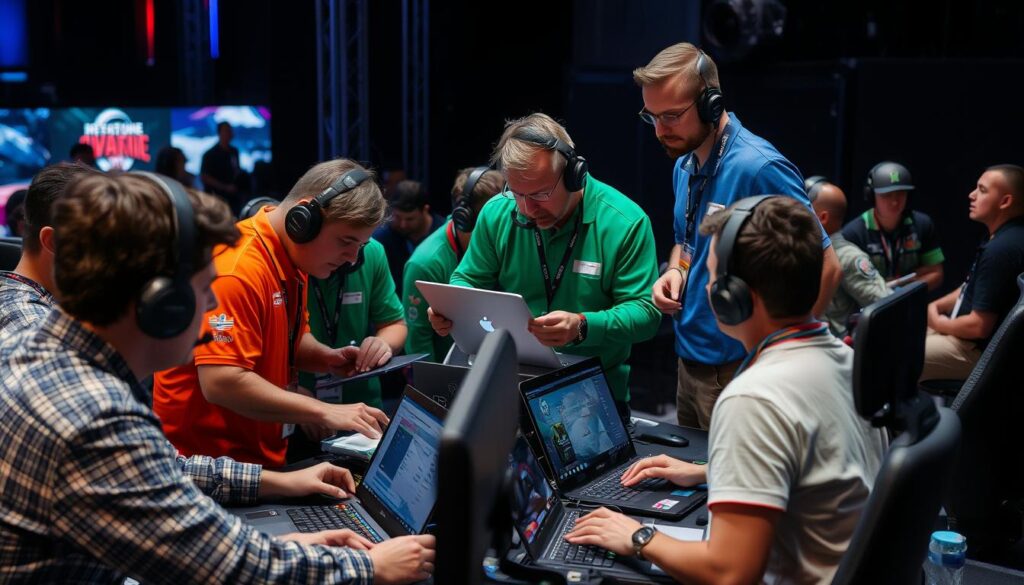
Technical staff responding to equipment failure during a critical match
Common Technical Challenges
Technical difficulties range from individual peripheral failures to system crashes or network interruptions. Production teams develop standardized protocols for each scenario, with designated staff responsible for specific response roles. Many tournaments employ dedicated technical pause teams who can quickly diagnose and resolve issues without disrupting the competitive integrity.
Tournament Rule: The Show Must Go On
Major tournaments operate under the principle that the broadcast should continue even during technical difficulties. Production teams prepare backup content including analysis segments, player profiles, or highlight reels that can fill airtime while issues are resolved backstage.
Beyond technical issues, event organizers must prepare for security concerns, medical emergencies, and even natural disasters. Comprehensive emergency response plans include evacuation procedures, medical staff on standby, and coordination with local authorities to ensure everyone’s safety.
Sponsorships, Merchandising, and Business Deals
The business ecosystem surrounding major tournaments extends far beyond ticket sales and prize pools. Sponsorships represent the financial backbone of most events, with brands investing millions to reach the coveted esports demographic.
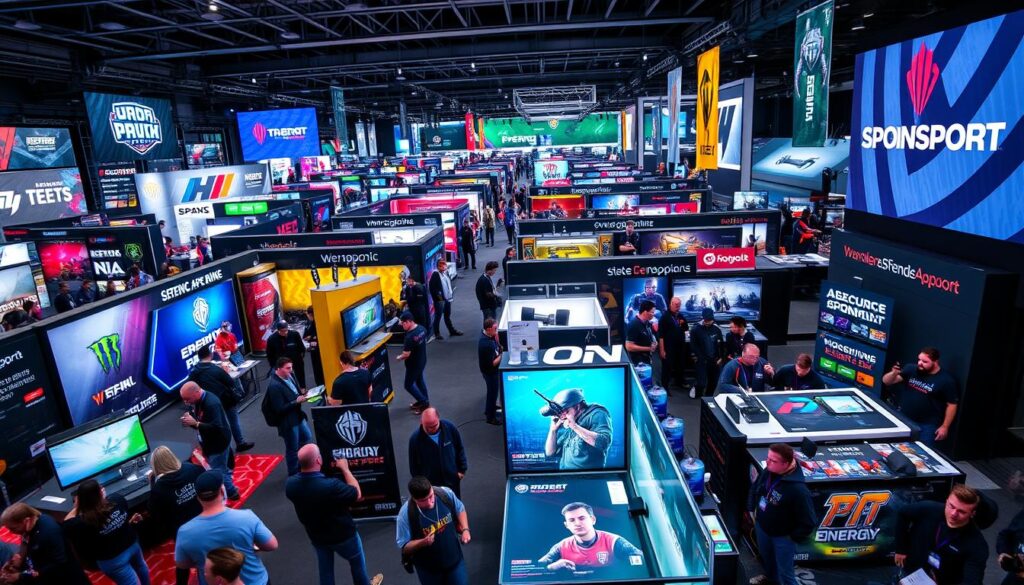
Sponsor activation zones where brands create interactive experiences for attendees
The Sponsorship Ecosystem
Tournament sponsorships typically fall into tiered categories, from title sponsors who receive prominent branding throughout the event to segment sponsors who might support specific broadcast elements. Sponsors negotiate complex agreements that may include logo placement, broadcast mentions, social media integration, and exclusive activation opportunities.
The technology industry has become increasingly involved in esports, with major gaming peripheral brands sponsoring teams and tournaments. These partnerships often include dedicated product showcase segments during broadcasts and specialized content creation. For fans looking to engage with matches beyond viewership, fantasy leagues and analytics platforms provide additional ways to participate in the competitive experience.
Enhance Your Tournament Experience
Looking for ways to deepen your engagement with major tournaments? Fantasy esports platforms and companion apps offer specialized tools for all premier events. Many platforms provide detailed statistics and interactive prediction features that can enhance your understanding of competitive dynamics.
Merchandising and Fan Economy
Tournament merchandise represents another significant revenue stream, with fans eager to purchase event-specific items and team gear. Many events feature pop-up shops with exclusive products available only to attendees, creating additional incentive for in-person participation.
The Fan Experience Beyond the Cameras
While broadcast viewers see the main stage action, in-person attendees experience a much broader event ecosystem designed to create memorable experiences beyond the competitions themselves.
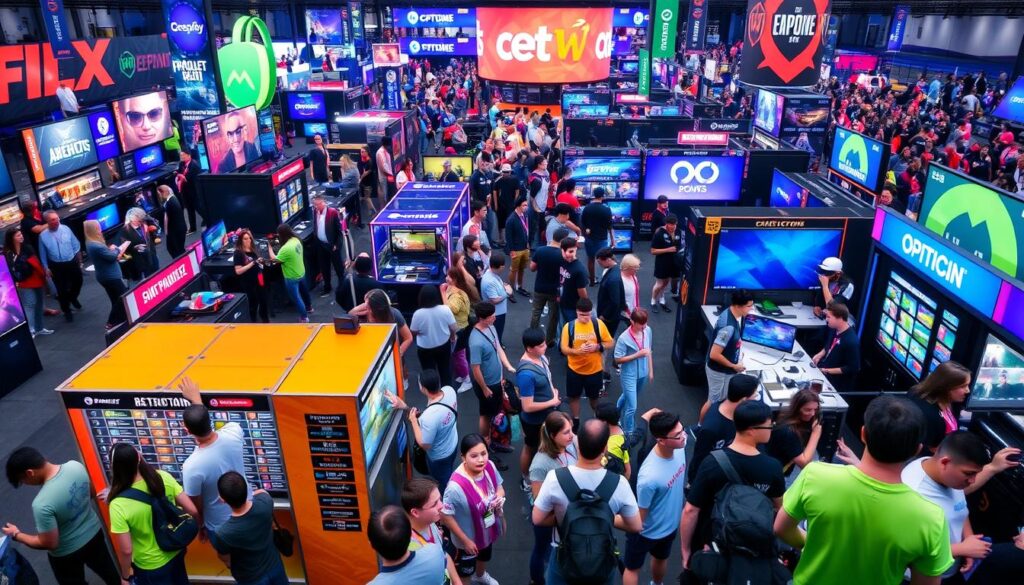
Interactive fan zones offer gaming experiences, merchandise, and community activities
Beyond the Main Stage
Major tournaments transform venues into immersive experiences with multiple activity zones. Fans can participate in mini-tournaments, test new gaming hardware, meet content creators, or purchase exclusive merchandise. Many events feature dedicated cosplay areas, art installations, and food vendors curated to match the gaming community’s preferences.
Meet-and-Greets
Player interaction opportunities represent some of the most valued fan experiences. Organized signing sessions, photo opportunities, and Q&A panels allow fans to connect with their favorite competitors. These interactions are carefully scheduled to avoid interfering with players’ competitive preparations.
Community Hubs
Many tournaments create dedicated spaces for community building, where fans can meet others who share their passion. These areas often feature casual gaming setups, viewing parties for secondary matches, and community-focused activities designed to foster connections among attendees.
For fans watching remotely, tournament organizers increasingly offer digital experiences through companion apps, exclusive online content, and interactive viewing options. Some events integrate interactive companion apps that provide live stats and interactive features, creating additional engagement channels for viewers.
How You Can Get Involved in Esports Event Production
The growing esports industry offers diverse career paths for those passionate about gaming and event production. From technical roles to creative positions, opportunities exist for professionals with various skill sets and experience levels.
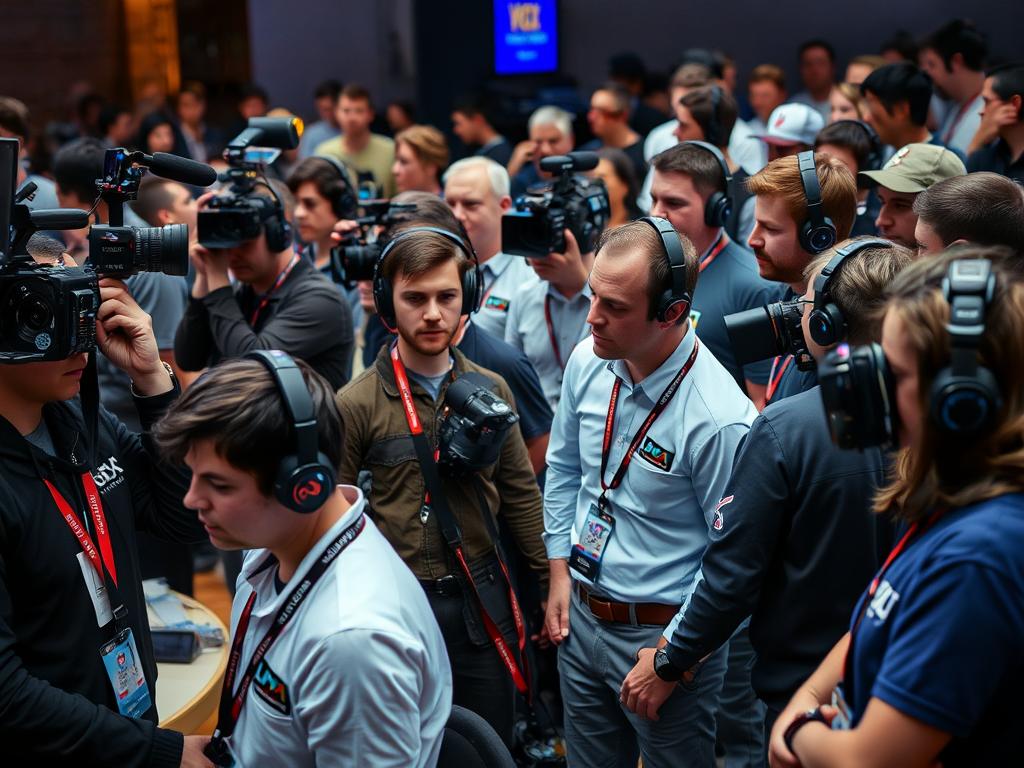
The diverse production team represents numerous career paths in esports events
Entry Points into the Industry
Many esports professionals begin their careers through volunteer positions or internships with smaller events. These opportunities provide valuable experience and industry connections that can lead to paid positions. Local tournaments, collegiate esports programs, and production companies often seek enthusiastic individuals willing to learn.
- Production Assistant – Supporting broadcast teams with various tasks
- Observer Trainee – Learning in-game camera work under experienced observers
- Stage Manager – Coordinating player movements and maintaining schedule
- Technical Support – Assisting with equipment setup and troubleshooting
- Content Creator – Producing social media and promotional materials
- Talent Coordinator – Managing broadcast talent schedules and needs
- Community Manager – Engaging with fans online and at events
Educational pathways into esports production include degrees in broadcast technology, event management, marketing, or communications. However, demonstrated skills and portfolio work often carry more weight than formal education in this rapidly evolving industry.
Conclusion: Appreciating the Work That Creates the Magic
Major esports tournaments represent remarkable achievements in event production, combining technical complexity, creative vision, and logistical precision. The next time you watch a flawless broadcast or attend an immersive event, remember the hundreds of professionals working behind the scenes to create those experiences.
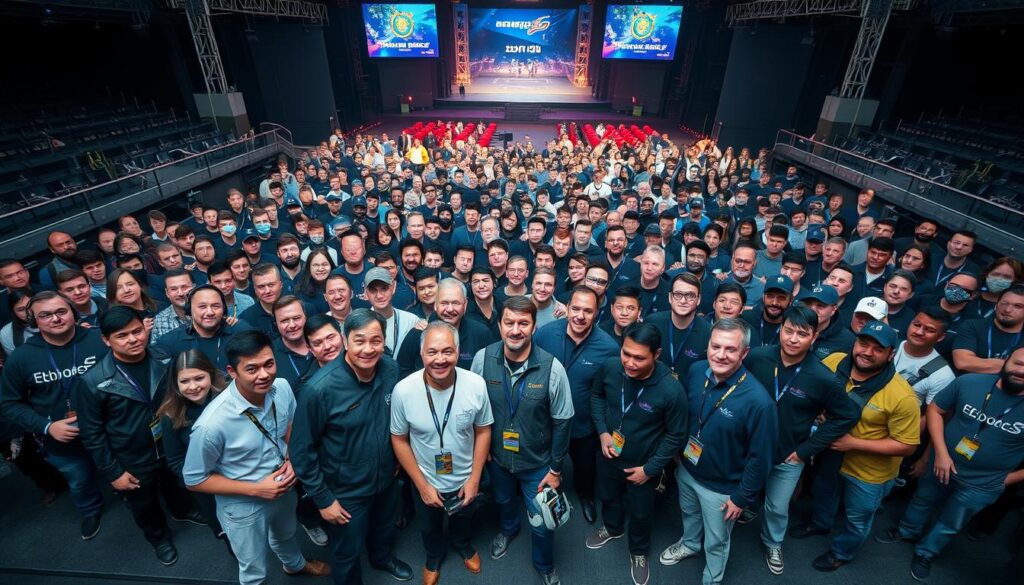
The full production team that brings major tournaments to life
For passionate fans looking to deepen their connection to the competitive scene, numerous avenues exist beyond simply watching matches. From attending live events to exploring career opportunities or engaging with matches through fantasy leagues and analytics platforms, the esports ecosystem offers rich experiences for enthusiasts at every level of involvement.
Take Your Esports Passion Further
Ready to experience esports in new ways? Whether you’re interested in production careers, attending live events, or exploring fan engagement through interactive platforms, the expanding esports landscape offers something for every fan.
The next time you watch a major tournament, take a moment to appreciate not just the players’ skills, but the invisible army that creates the stage on which those skills shine. Behind every moment of esports glory stands a team of dedicated professionals who make the magic happen.